
Free written scope consultation - allowances, timeline, and change-order rules on paper before a single trade is scheduled
Tuff Shed Home Additions & ADU: The San Antonio Owner’s Guide
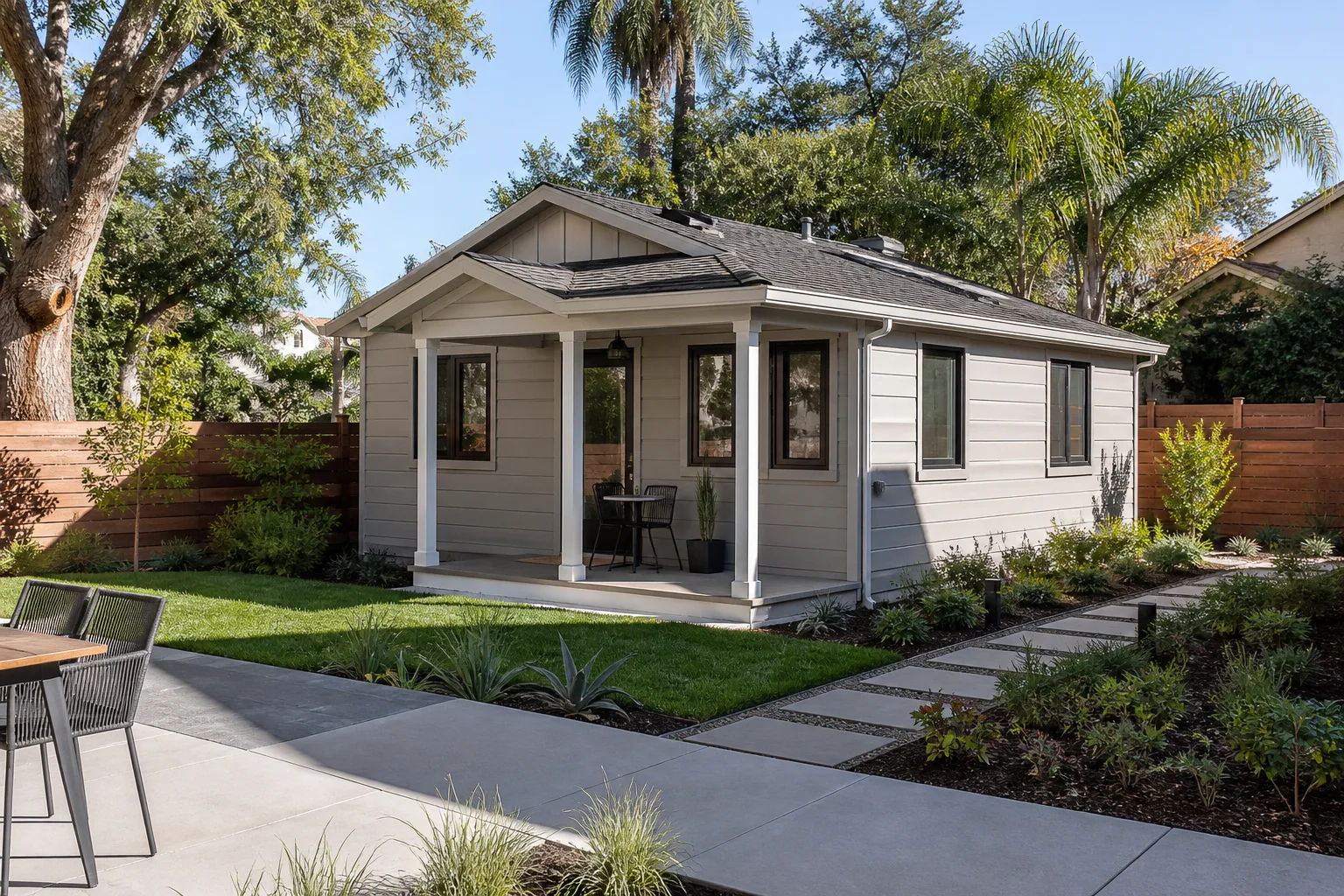
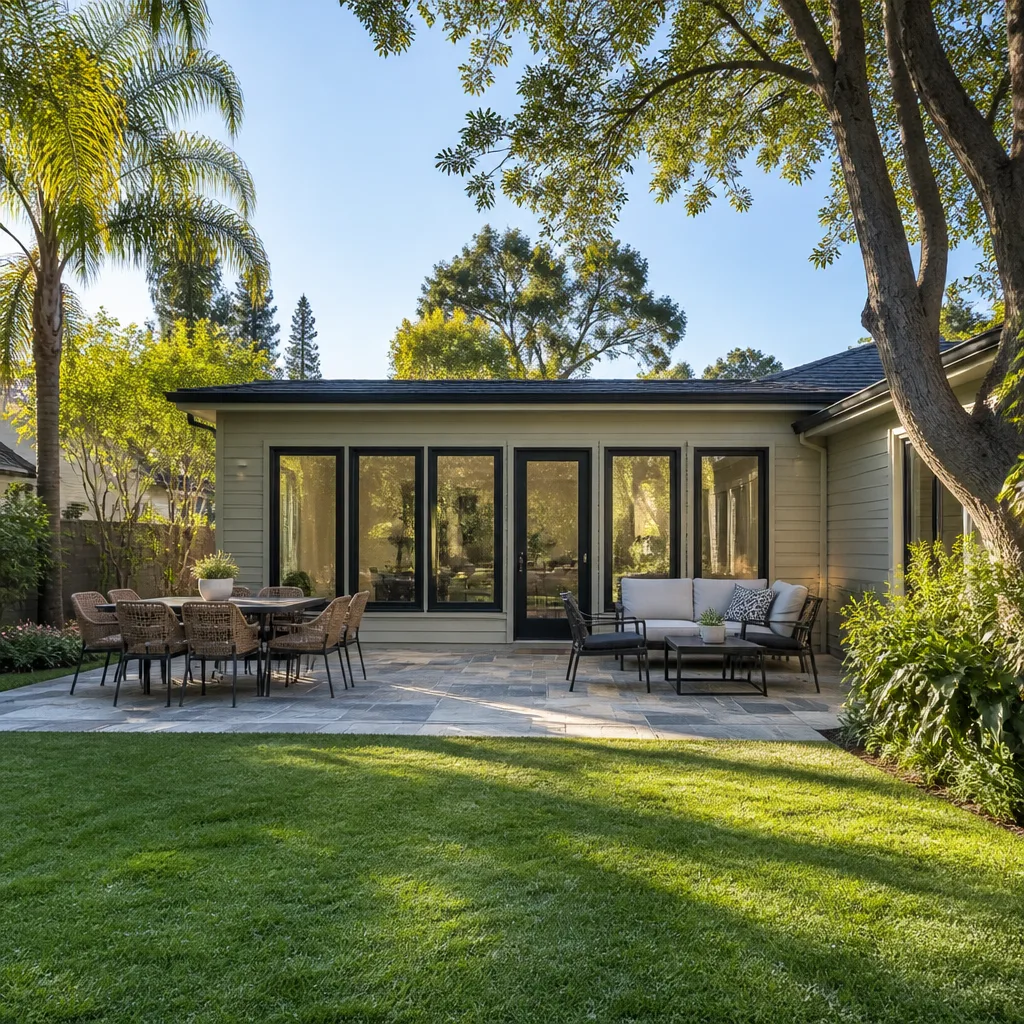
If you’re researching Tuff Shed home additions and ADU options in San Antonio, the honest installed price range is $45,000 – $130,000 for a build that meets Bexar County code, holds up to Texas heat, and actually adds usable square footage to your property. Most San Antonio owners call us after realizing their Tuff Shed shell wasn’t engineered for the jump from storage to living space: no slab insulation, no electrical rough-in, no water supply lines, and wall framing that doesn’t meet residential energy code. We handle the transition from shed to conditioned space, and we stock or source every Tuff Shed-compatible component needed for the conversion on our trucks.
Mason Remodeling Co San Antonio is an independent service provider, not affiliated with Tuff Shed. We work on Tuff Shed structures because they’re common across San Antonio backyards, and we know exactly where their factory specs stop and residential building code begins.
Which Tuff Shed Models This Applies To
We work on the full Tuff Shed lineup that owners commonly attempt to convert in San Antonio: the Premier Pro series, the Premier Ranch, and the Tall Barn. The compatibility gotcha most owners miss is wall stud spacing. Tuff Shed builds with 24-inch on-center framing in many models, which is fine for a shed but not sufficient for drywall, insulation, or mounting kitchen cabinets in a home addition. Residential code in San Antonio requires 16-inch on-center for load-bearing walls in conditioned space.
So the first thing we do on any Tuff Shed conversion is open the walls and add framing members. That’s not a corner you can cut in a Texas summer, when attic and wall cavity temperatures hit 140 degrees and the air conditioner is fighting an uninsulated envelope. For OEM versus aftermarket parts, Tuff Shed doesn’t sell a “conversion kit.” The door hardware, windows, and flashing are standard sizes you can match at any supplier, but the floor system is where we insist on specific materials: pressure-treated lumber rated for ground contact and a vapor barrier rated for our clay-heavy San Antonio soil, which holds moisture against the slab edge all year.
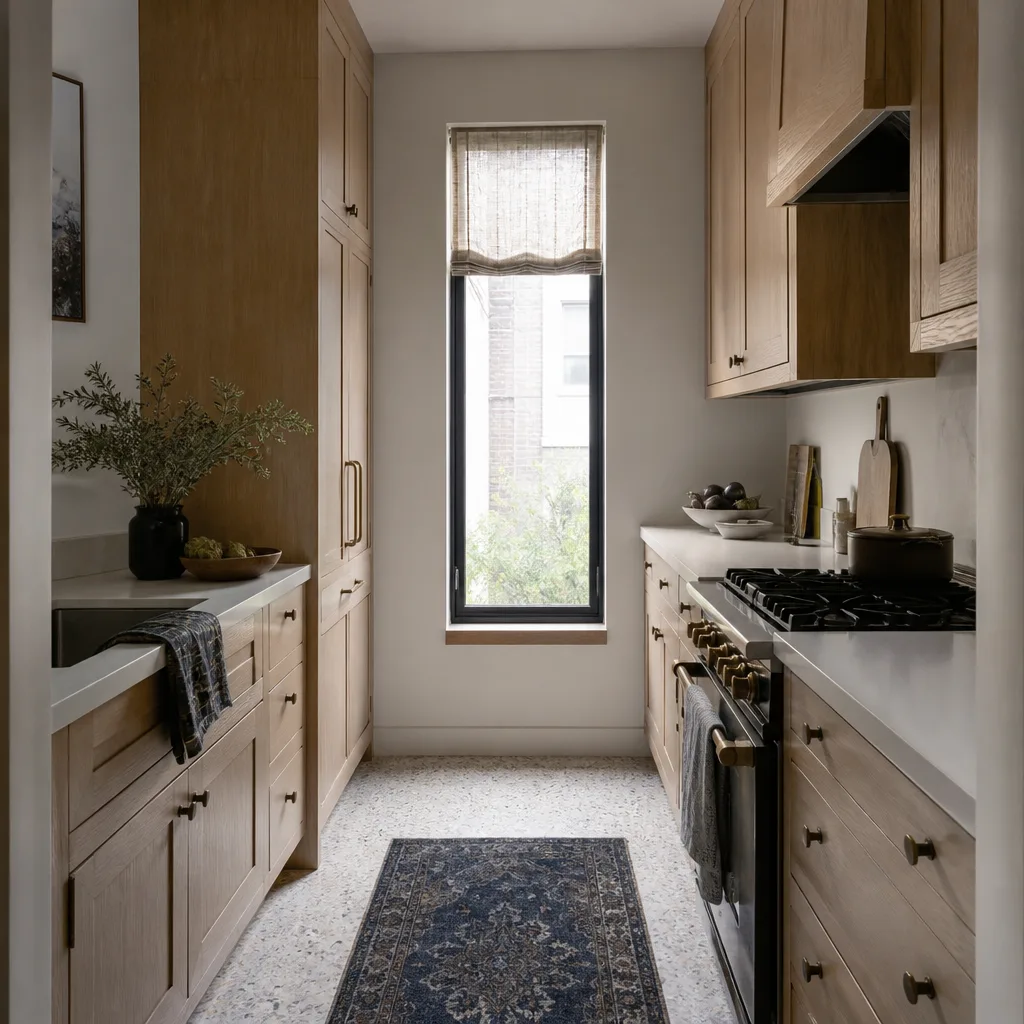
If you’re also considering parts for other brands on the same project, we routinely work with KraftMaid cabinetry, Cambria countertops, and Silestone surfaces when we build out the interior of a converted Tuff Shed.
Styles & brands we work with







Signs Your Tuff Shed Home Addition or ADU Is Failing
- You feel a “bounce” in the floor when you walk across it. Tuff Shed floor joists are sized for storage loads, roughly 40 pounds per square foot. A living space with furniture, a bed, and two people can exceed that quickly, and the joists deflect. We see this in nearly every San Antonio conversion we’re called to inspect.
- The walls sweat or the interior smells musty after rain. Tuff Shed siding is designed to shed water, not to be an air barrier. Without house wrap and proper flashing at the base plate, San Antonio’s humid months push moisture straight into the wall cavity. Mold follows.
- The shed door won’t seal or close square. The slab or pier foundation has shifted, which is common in San Antonio’s expansive clay soil. If the door binds at the top corner, the floor system is moving independently of the walls. That’s a structural conversation, not a hardware fix.
- You can see daylight through the wall-to-floor joint. Tuff Shed skids leave a gap between the bottom plate and the ground or slab. In a storage shed, that’s ventilation. In a home addition, it’s an open highway for pests, drafts, and the first thing a Bexar County inspector flags.
- Your electrical panel can’t handle another circuit. Most San Antonio homes built before 2000 have 100-amp service. A converted shed with a mini-split, a few outlets, and a light fixture can pull 40 – 50 amps on its own. We check panel capacity before we ever quote a conversion.
See the difference
 Before
 After
After Before
 After
After Before
 After
AfterReplacement Cost & What’s Included
For San Antonio, a full Tuff Shed-to-living-space conversion runs $45,000 – $130,000 depending on square footage, condition of the existing shell, electrical service upgrades, and plumbing runs. A simple studio conversion with a mini-split, finished walls, and basic electrical lands on the lower end. A true ADU with a bathroom, kitchenette, separate water heater, and upgraded service panel lands at the top.
Every quote from Mason Remodeling Co San Antonio includes the written price before any work starts, itemized by labor and materials. We don’t do verbal estimates that grow on the final invoice. The workmanship warranty runs 365 days from completion date, under our 365-Day Done Right Promise: if something isn’t right within a year, we come back and make it right at no cost. That covers framing, drywall, trim, tile, flooring, and finish work. It does not cover damage from roof leaks on a Tuff Shed roof we didn’t replace, or normal wear.
Permits are included in our price when required, and we pull them. Bexar County treats a shed conversion as a change of use, which means permits, inspections, and a final sign-off. We handle all of it.
DIY or Call Us?
There are things you can safely check yourself. Look at the floor joists from underneath if the shed is on skids. Measure the wall stud spacing with a basic stud finder. Check your electrical panel’s amperage rating. Those are smart homeowner steps that help you understand the scope before you call anyone.
Where DIY goes wrong on Tuff Shed conversions is almost always structural: adding interior walls without understanding load paths, cutting into exterior sheathing for a window without proper header support, or running Romex through a wall that still has 24-inch framing so drywall screws puncture the wire. This is not a spring or a garage-door cable. Nobody gets electrocuted by a bad paint job. But a shed conversion involves electrical, plumbing, and structural work in a building that was never intended for any of it. Isaac Pruett has been on San Antonio job sites long enough to know which corners cause callbacks, and he doesn’t skip them. If you’d rather talk through what you’re seeing before any commitment, call (254) 269-5071.
FAQs
With proper framing reinforcement, insulation, and moisture management, a converted Tuff Shed performs like any stick-built addition and will last 30 – 50 years in San Antonio’s climate. The weak point is always the foundation. A shed on skids or a thin slab will move with our expansive clay soil, and that movement shows up as cracks at drywall seams and door frames within the first two years. We address foundation movement before anything else.
If the structure is square, the floor is solid, and the siding is intact, we can repair and upgrade select components: add house wrap, reinforce studs to 16-inch spacing in the walls you’re finishing, and install proper flashing at the base. But if the skids have settled or the walls racked out of square, a partial fix just delays the full rebuild. Call (254) 269-5071 and we can walk through what you’re seeing.
A studio conversion takes 4 – 6 weeks from permit approval to final inspection. A full ADU with bathroom and kitchen takes 8 – 12 weeks. San Antonio’s permitting timeline varies by season, and we build that into the schedule so you’re not surprised when the inspection date lands two weeks out.
We stock the common materials on our trucks: pressure-treated framing lumber, house wrap, vapor barrier, drywall, and standard window and door flashing. Specialty items like mini-split systems and tankless water heaters are ordered per project based on your square footage and panel capacity. The estimate is free, and the written price you get is the price you pay.
Written by Isaac Pruett, Owner, Mason Remodeling Co San Antonio at Mason Remodeling Co San Antonio, serving San Antonio and nearby areas.


