

Free written scope consultation - allowances, timeline, and change-order rules on paper before a single trade is scheduled
Silestone Home Additions & ADU: The San Antonio Owner’s Guide
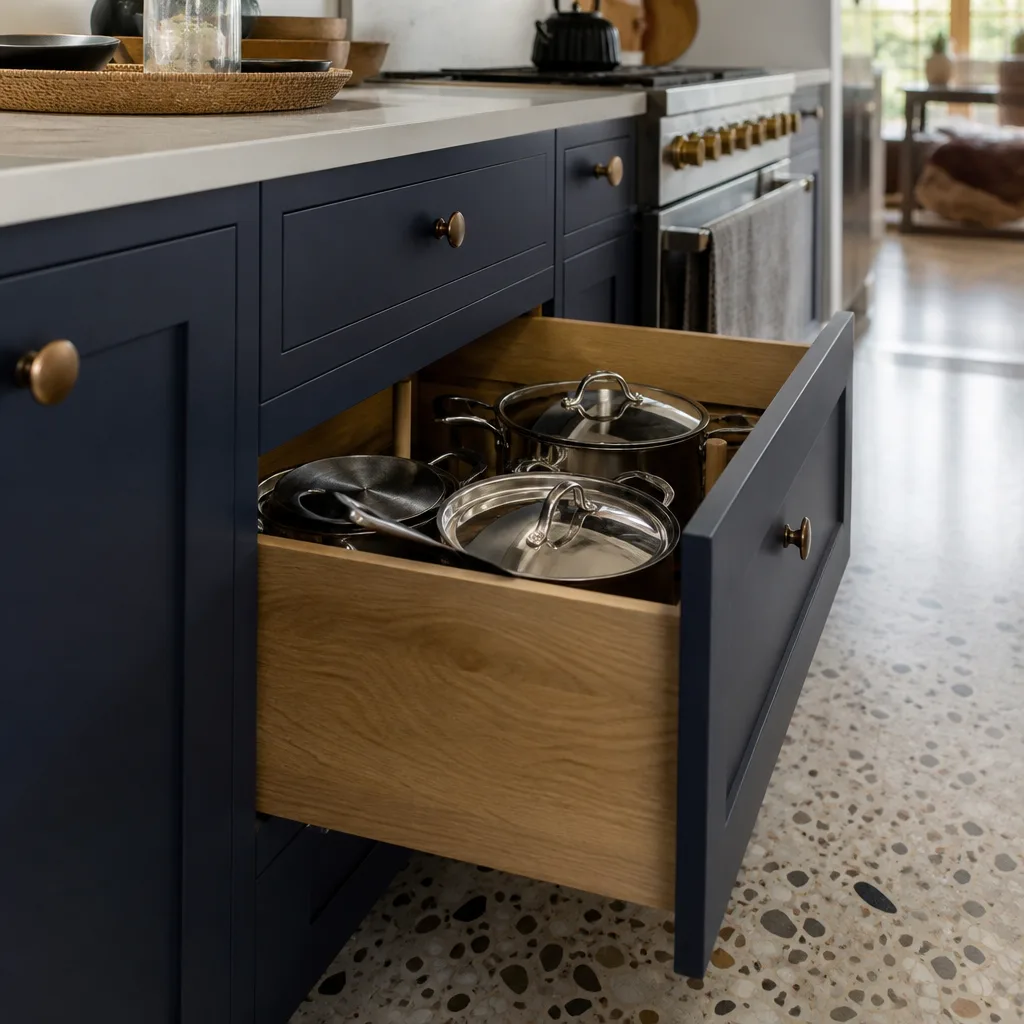
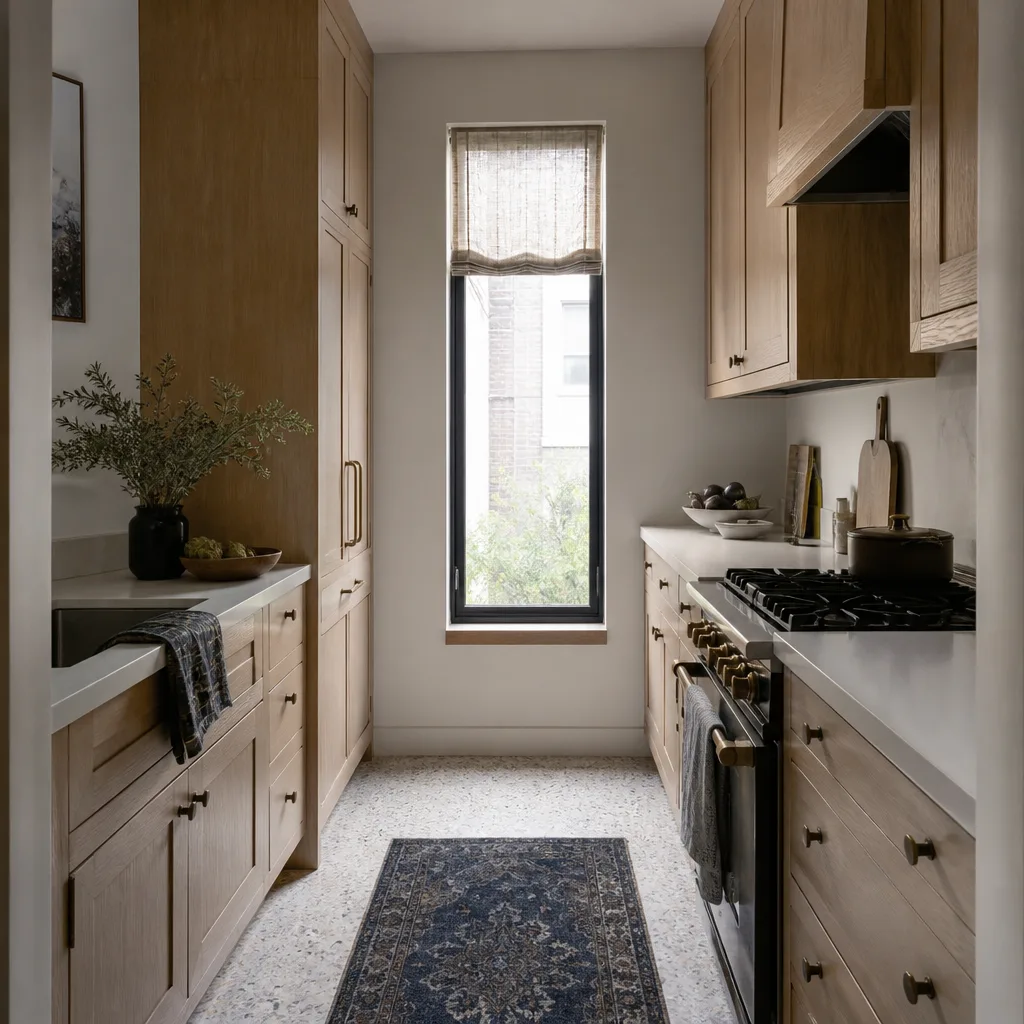
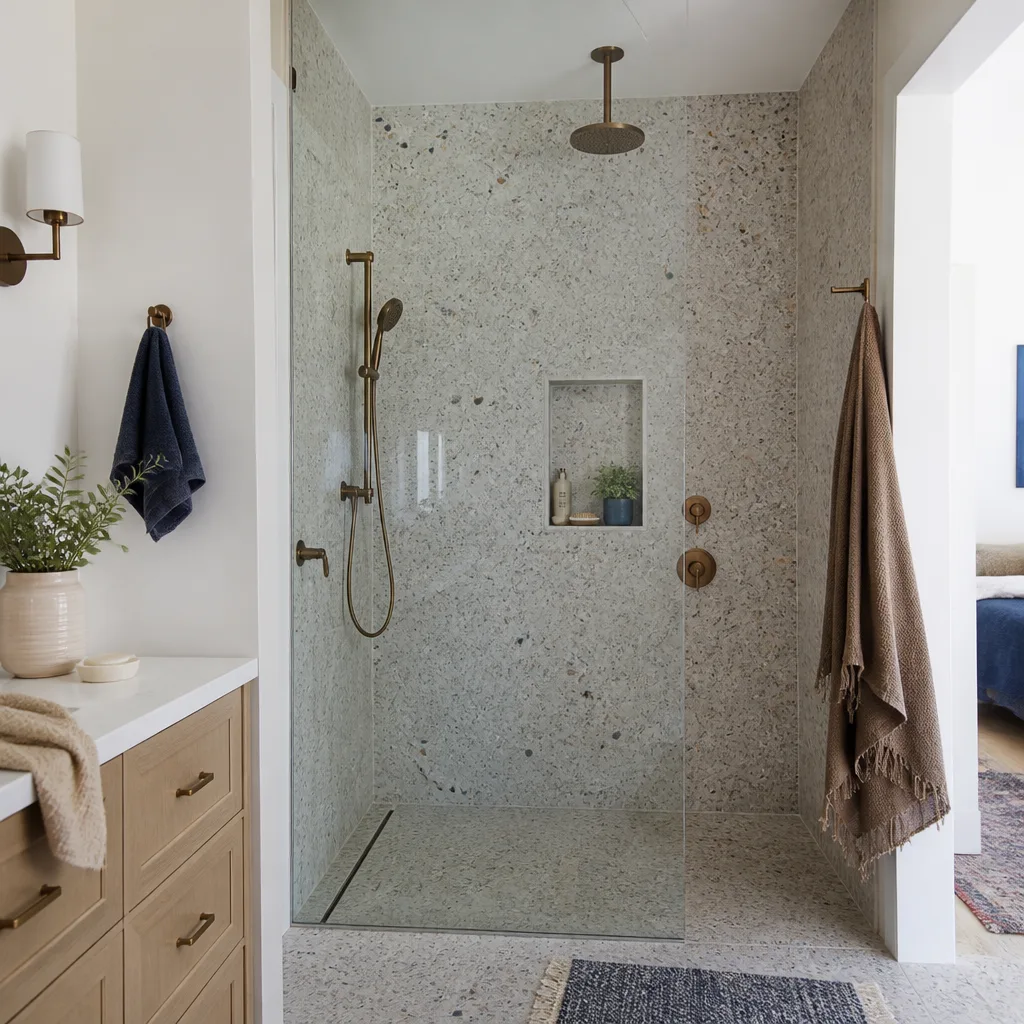
If you’re planning a home addition or ADU in San Antonio and want Silestone surfaces as part of the build, the installed cost typically runs $45,000 to $130,000 for the addition itself, with Silestone countertops and surfaces priced separately or folded into the finish package. We install Silestone in kitchens, wet bars, bathroom vanities, and outdoor cooking areas on additions and ADUs across San Antonio, and we stock the edge profiles, sink cutouts, and installation materials needed to match your Silestone to the rest of the home. What most homeowners discover is that a Silestone surface on an addition or ADU is rarely the first thing to fail. The problems show up in the joints, the substrate, the seams, or the cabinetry underneath, and when they do, the fix usually means pulling the Silestone to get at what’s below it.
We’re an independent San Antonio contractor, not affiliated with Silestone or its parent company Cosentino. That matters because it means our recommendation on what to repair, replace, or work around comes down to what’s actually wrong with your installation, not what a manufacturer’s warranty department will approve.
Which Silestone Models This Applies To
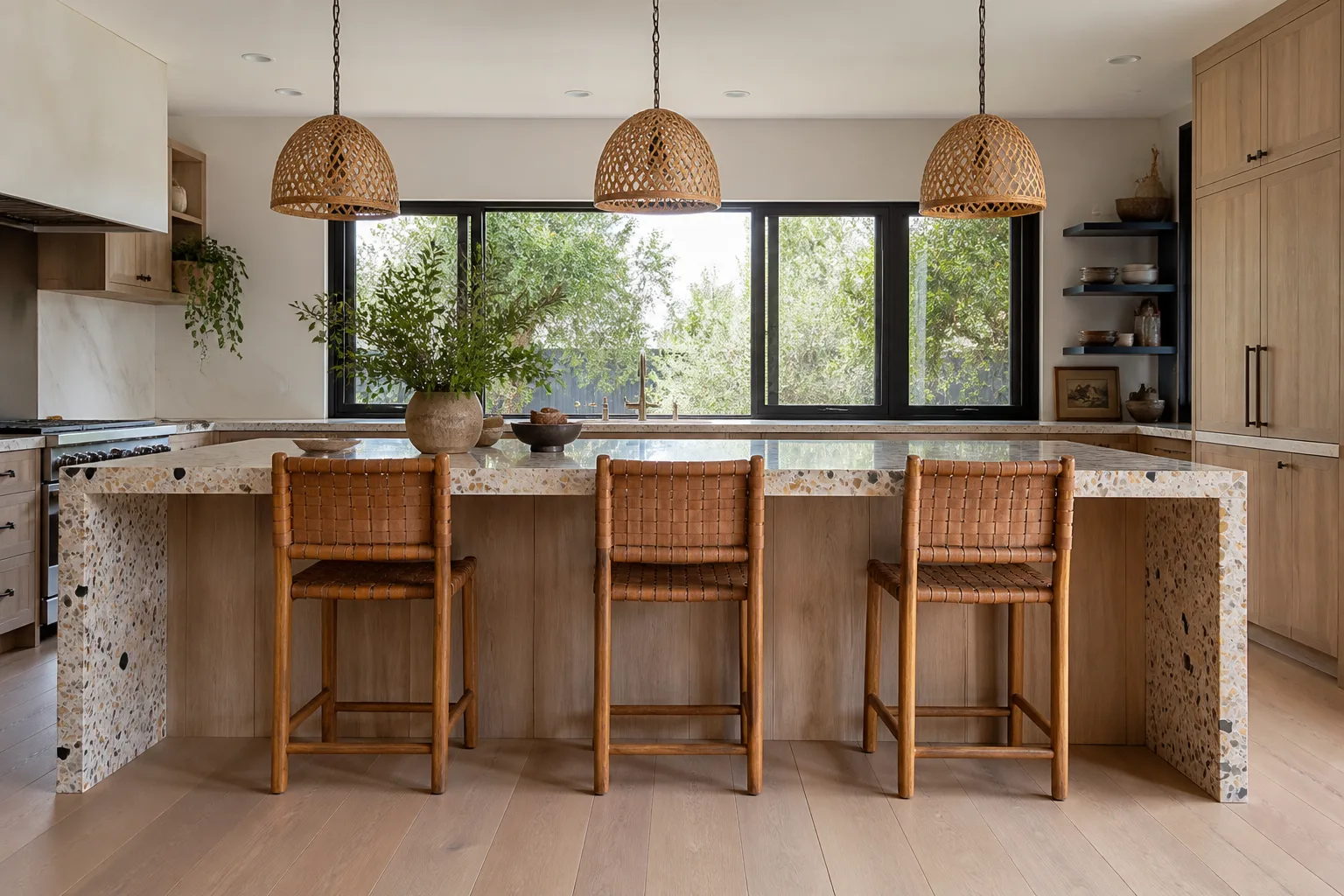
Silestone is a quartz surface, not natural stone. It’s manufactured in Cosentino’s facility with roughly 90% crushed quartz and 10% polyester resin and pigments. That matters for home additions and ADUs in San Antonio because quartz resin is sensitive to sustained heat and direct UV exposure, both of which are facts of life here. The most common Silestone lines we install on San Antonio additions are the Classic and Loft series, both of which carry a durable polished surface that holds up well indoors. For outdoor kitchens on an ADU or a covered patio addition, we typically recommend Silestone’s Sunlit Days or the newer Le Chic collections, which are formulated with better UV resistance, though even those should sit under shade or a patio cover.
The gotcha we see most often: Silestone comes in slab thicknesses of 1.2 cm, 2 cm, and 3 cm, and the thickness you have changes how we attach it to the cabinets. A 3 cm slab goes directly on the cabinet deck. A 2 cm slab usually needs a plywood substrate under it, and a 1.2 cm slab is generally used for vertical cladding or backsplashes only. If your previous contractor installed a 2 cm slab without the plywood underlayment, hairline cracking along the front edge is almost guaranteed, and that’s not a Silestone defect. That’s an installation error. Before ordering replacement slabs for an addition or ADU in San Antonio, we measure the thickness and check the substrate, because replacing a slab over a bad substrate means you’ll be replacing it again in two years.
For OEM versus aftermarket: Silestone does not sell replacement slab sections through third parties. If one slab on your addition needs to be replaced and you want an exact color match, you need to know the color name and lot number, which Silestone prints on the back of every slab. Without that lot number, a “matching” slab can vary up to half a shade. That’s enough to stand out under San Antonio’s bright kitchen lighting. When we quote a Silestone replacement for an addition or ADU, we pull the lot number off the back of the broken slab before we quote, so you know whether a true match is possible or whether we need to replace the full run.
Styles & brands we work with







Signs Your Silestone Home Additions & ADU Is Failing
- Hairline cracks radiating from sink or cooktop cutouts. This is the number one failure we see on San Antonio additions. Quartz expands and contracts with temperature, and a cutout corner creates a stress point. If the slab was installed tight to the wall or the cabinet has shifted, that corner is where the crack starts. It’s almost always an installation or substrate issue, not a material defect.
- Seam separation where two slabs meet. On longer runs like kitchen islands or extended bar tops in an ADU, Silestone requires seams roughly every 120 inches. If the seam was color-matched poorly or the installer used too little adhesive, the two edges will separate and catch crumbs and moisture. A visible seam that darkens over time means water is getting underneath.
- Chipping along the front edge near drawers or high-traffic corners. San Antonio homes with kids and busy kitchens get this a lot. Silestone is hard but not indestructible, and a heavy pot dropped on an exposed edge can take off a chip the size of a dime. Small chips can sometimes be repaired with color-matched resin, but larger ones usually mean slab replacement or edge refinishing.
- Discoloration or clouding in one specific area. If a section of your Silestone counter on an addition near a south-facing window looks dull or milky compared to the rest of the slab, that’s UV and heat exposure breaking down the resin. Quartz is marketed as sun-stable, but years of direct San Antonio sun through glass will eventually dull the surface in one spot. This isn’t repairable. It requires slab replacement.
- The slab is moving or lifting off the cabinet. Silestone should never rock or shift. If you can press on one corner and see it flex, the substrate or adhesive has failed. On loaded areas like a cantilevered island overhang, a loose slab is a structural hazard, especially if someone leans on it or sits a child on the edge.
See the difference
 Before
 After
After Before
 After
After Before
 After
AfterReplacement Cost & What’s Included
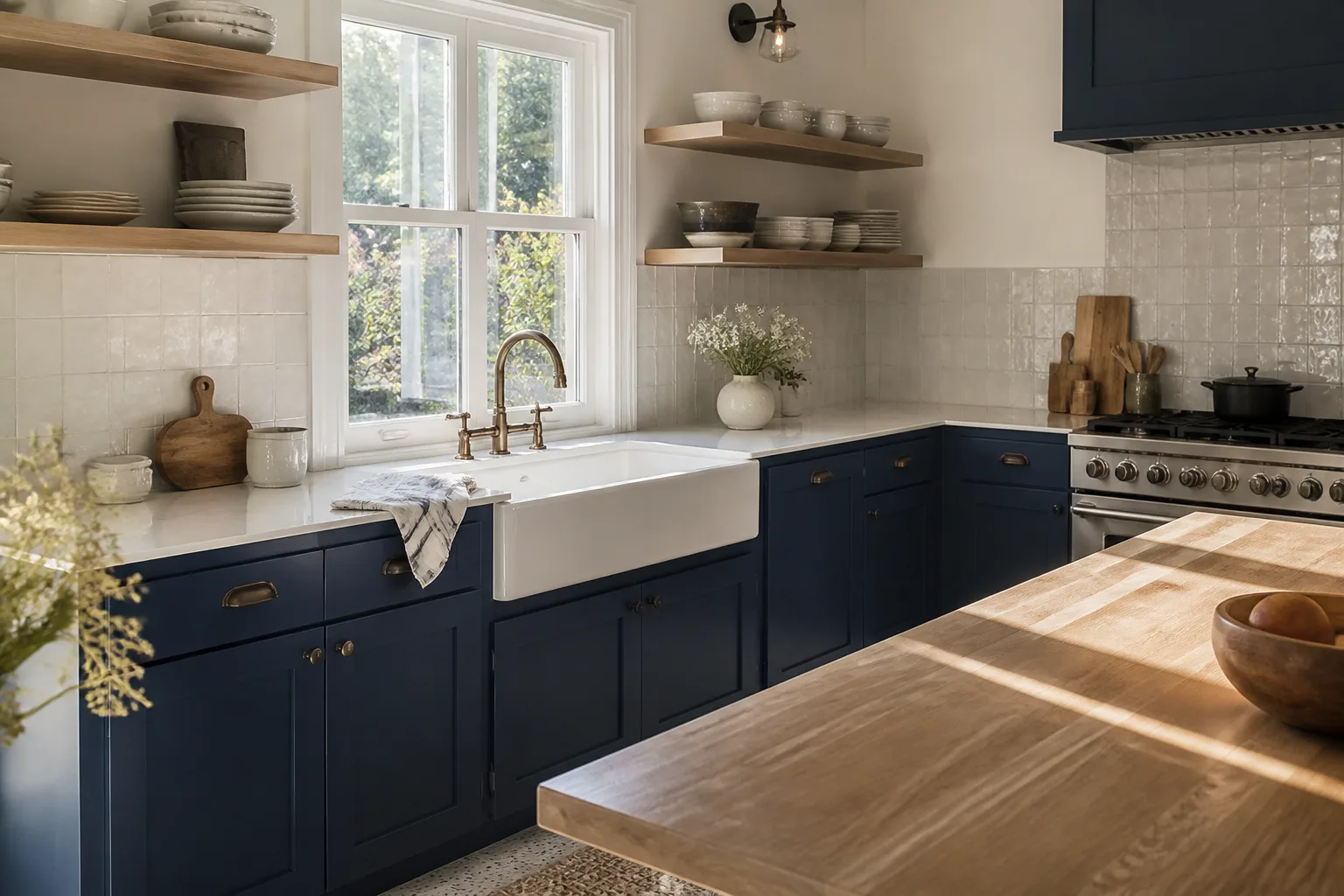
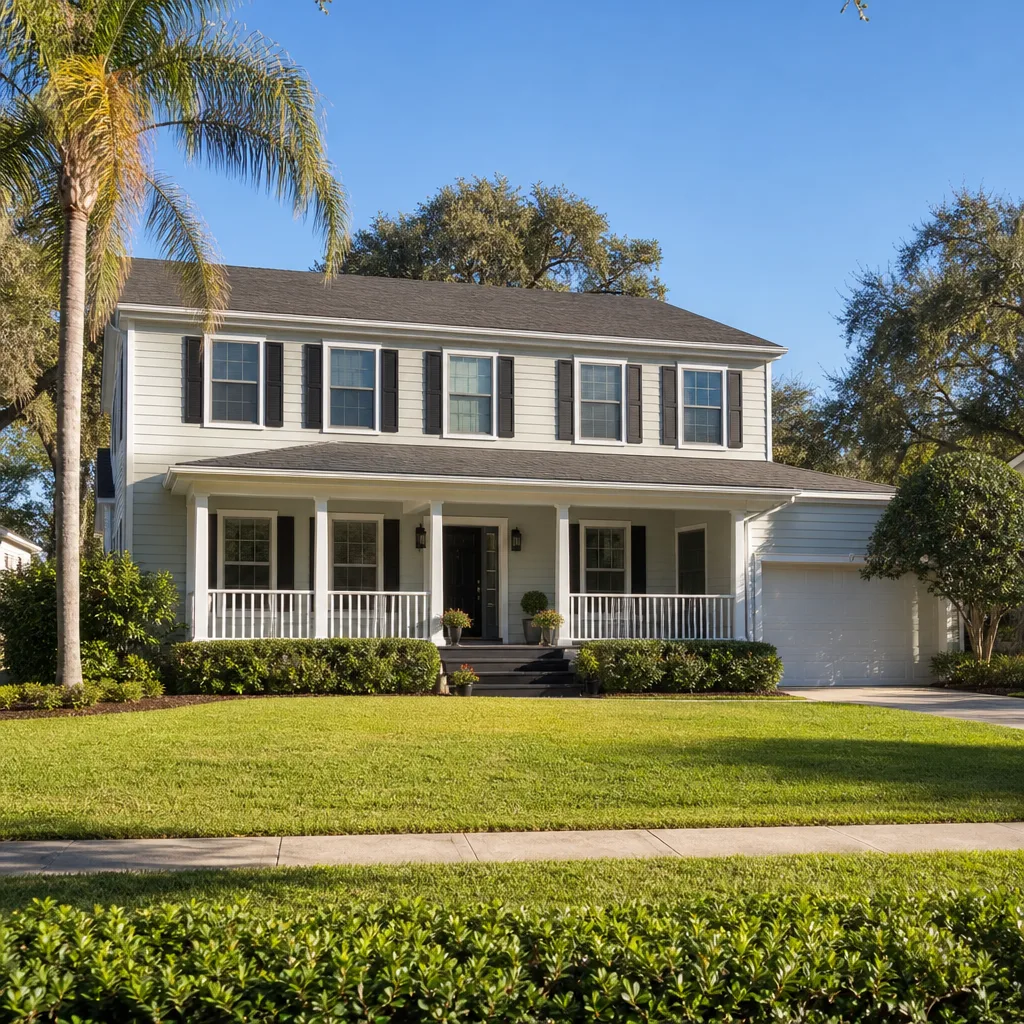
For a home addition or ADU project in San Antonio that includes Silestone surfaces, the addition itself runs $45,000 to $130,000 depending on square footage, foundation type, roofing, and whether we’re adding plumbing and electrical. A detached ADU with Silestone in the kitchenette and bath starts around $90,000 and goes up to $220,000. The Silestone component typically adds $2,000 to $6,500 for countertop fabrication and installation, depending on square footage, slab thickness, edge profile, and the number of cutouts.
What drives the Silestone cost the most is edge work. A standard eased edge is the least expensive. Ogee, bullnose, or waterfall edges add fabrication time and waste, and they run the total up fast. On an ADU, where the kitchen is often smaller, the difference between standard edges and custom profiles can be $700 to $1,800. We price all of this in writing before we touch your home. You’ll see the slab cost, fabrication, delivery, installation, cutout charges, and the disposal fee for the old surface as separate line items. No vague lump sums. If we pull the old Silestone and find that the substrate is rotted or the cabinets have shifted, we stop and show you a written change order before any additional work starts. That’s our standard on every San Antonio job.
Our workmanship on Silestone installation is covered by the 365-Day Done Right Promise. If a seam separates, a slab shifts, or an edge chips due to our installation within 365 days of completion, we come back and make it right at no charge. The Silestone material itself carries Cosentino’s manufacturer warranty, which we’ll walk you through in plain terms before the job starts.
DIY or Call Us?
What you can safely check on your own: whether the slab is level using a four-foot level, whether seams have visible gaps, and whether any cutout corners show cracks. Take photos with a bright light raking across the surface. That gives us useful information before we arrive.
What you should not attempt: lifting or pulling a Silestone slab to check the substrate underneath. A 3 cm slab weighs roughly 18 pounds per square foot. A typical kitchen island slab can weigh 400 to 600 pounds, and getting a hand or foot under it while it shifts is how people get crushed fingers or worse. Silestone is also brittle under uneven stress, so moving it wrong will snap the slab. This is not a DIY project. If you suspect the substrate or adhesive has failed, call us at (254) 269-5071 and we’ll inspect it. Estimates are free, and we’ll tell you honestly whether it’s a repair or a replacement.
FAQs
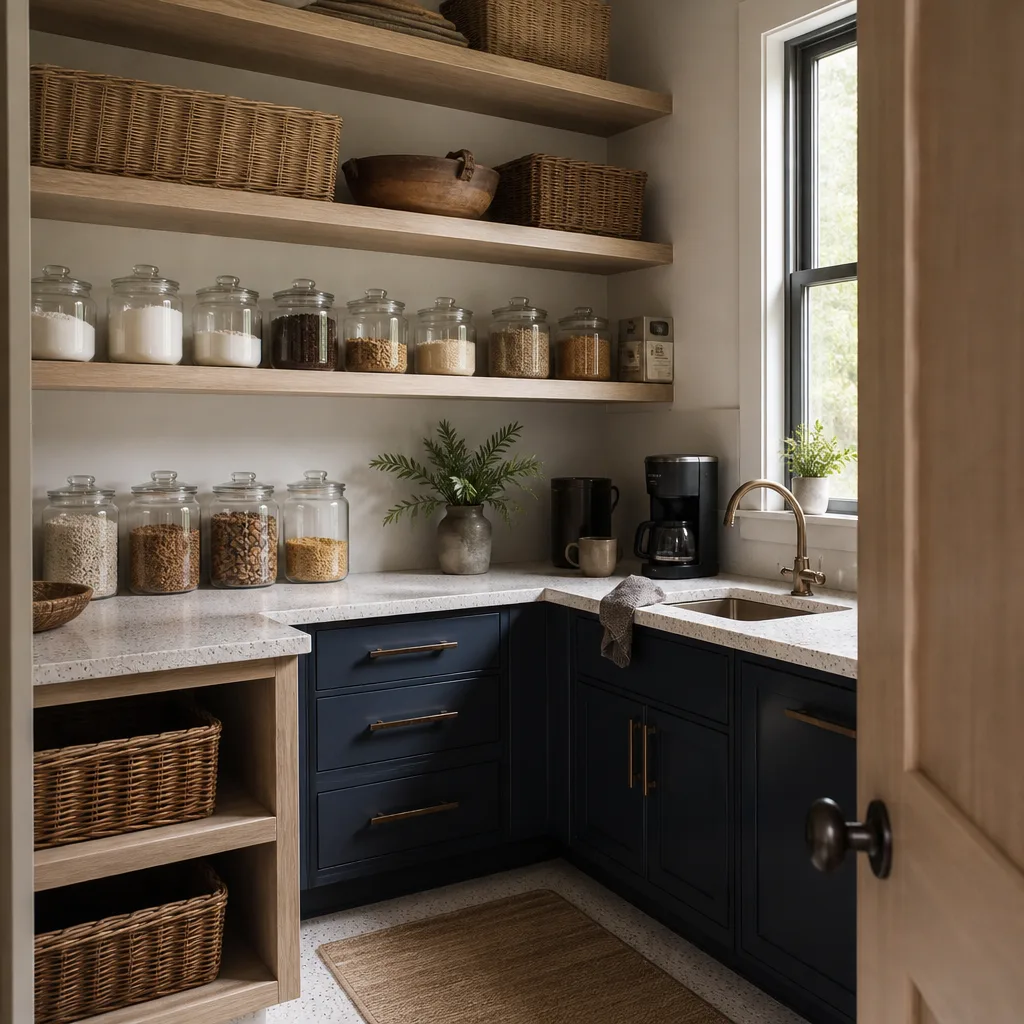
With a proper substrate and standard indoor use, Silestone typically lasts 20 to 25 years on San Antonio additions before surface wear or changing kitchen styles make replacement worth considering. The substrate and installation quality matter more than the slab itself. A well-installed Silestone top on solid cabinetry will outlast the cabinets under it.
Small chips and edge nicks under about the size of a quarter can often be repaired with color-matched resin filler that blends well enough to pass from three feet away. Hairline cracks that run from a cutout through the thickness of the slab cannot be structurally repaired, and any repair is cosmetic only. For a replacement quote on a cracked Silestone slab on your San Antonio addition, call (254) 269-5071 and we’ll measure the damage and give you a written number.
Once we have the slab at our fabricator in San Antonio, template to install typically takes 7 to 10 days. The template is done on day one, the slab is cut and polished over the following week, and installation is a single day. If you’re replacing every surface in a kitchen or ADU, estimate two days for install plus one trip for the template.
We order Silestone slabs directly through Cosentino’s regional distribution channels for San Antonio, and we work with local fabrication shops we’ve used for years. We don’t warehouse full slabs at our own shop because quartz color lots vary and we only want to install slabs that match your existing surfaces. What we do stock on the truck: installation adhesives, color-matched seam fillers, edge profile tooling, and the plywood substrate materials for 2 cm slabs.
Know who’s coming, know what it costs, know it’s covered. That’s the whole job before the job starts. Call (254) 269-5071 for a free estimate on your Silestone home addition or ADU project in San Antonio. We’ll send you the name and photo of your technician before they arrive, put the price in writing before any work begins, and stand behind the installation for a full year.
Written by Isaac Pruett, Owner, Mason Remodeling Co San Antonio at Mason Remodeling Co San Antonio, serving San Antonio and nearby areas.


