
Free written scope consultation - allowances, timeline, and change-order rules on paper before a single trade is scheduled
Dvele Fence Installation: The San Antonio Owner’s Guide
Dvele fence installation in San Antonio typically runs $3,500 – $9,000 installed, depending on the fence line length, post depth requirements, and whether we’re replacing failed sections or installing an entirely new run. We stock Dvele-compatible fence hardware on our trucks, and our crew can usually start within a few days of your free estimate. Most San Antonio homeowners discover they need this work done when a fence section starts leaning after a storm, or when gates no longer close cleanly because posts have shifted in our expansive clay soil.
Dvele homes are built to a different standard than most of what we see across San Antonio. The fencing around these properties is part of that same higher-spec envelope – think tighter post spacing, deeper footings, and hardware that’s chosen for how it holds up long-term, not how fast it goes in. When that fencing starts to fail, it’s rarely the boards themselves. It’s almost always what’s holding them up.
One thing to know up front: Mason Remodeling Co San Antonio is an independent contractor. We’re not affiliated with Dvele, and we don’t pretend to be. We’re a San Antonio-based team that has worked on enough Dvele properties to know what these fences require, and we stock the right parts to make repairs and replacements that actually stay fixed. Every job comes with a written price before work starts and our 365-Day Done Right Promise, stated plainly: if it’s not right within a year, we fix it at no charge.
Which Dvele Models This Applies To
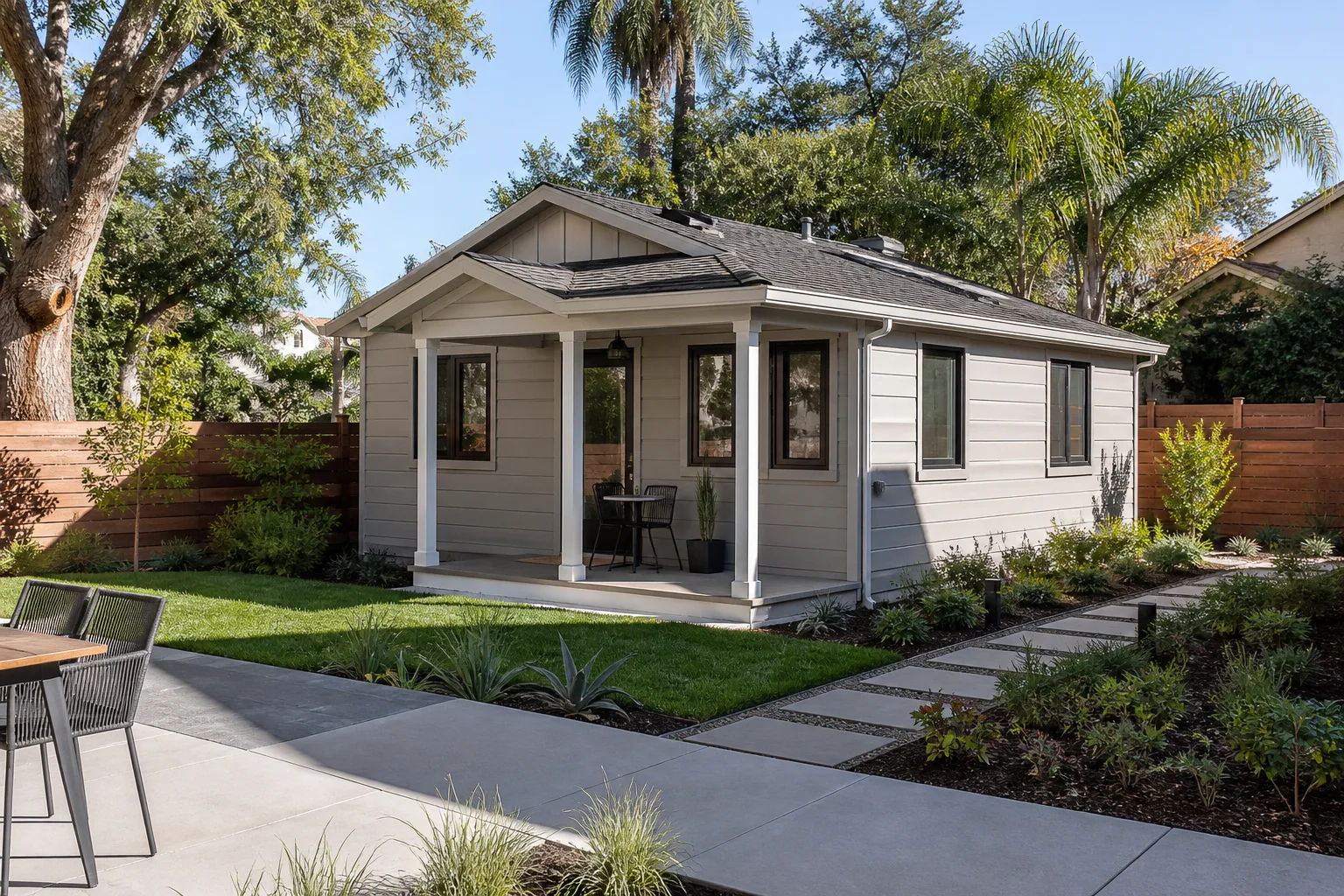
Dvele’s San Antonio builds generally fall into two fence categories. The first is the standard perimeter fencing specified on their single-family homes, which runs on 4×4 or 6×6 pressure-treated or steel posts. The second is the aluminum or composite privacy fencing used on some of their newer models and higher-density lots. The compatibility difference matters: steel post bases and aluminum rails take different fasteners, different post caps, and different gate hinges than a standard wood fence. If your fence was installed as part of the original Dvele build, our team can identify the exact rail system and post type on site without you having to dig through paperwork.
For parts matching, we look at three things: the post material (wood versus steel), the rail profile (Dvele-specified aluminum rails are typically 2×3-1/2 inch, which is narrower than what big-box stores stock), and the gate hardware manufacturer. Dvele has used a mix of hardware suppliers over the years, so we don’t assume; we check the markings on the hinges and latch before quoting replacement parts. If you’re trying to identify the fence system yourself, look for a small manufacturer stamp on the rail ends or on the inside face of any gate hinges.
OEM Dvele fence hardware can sometimes be ordered, but lead times can stretch weeks. For most San Antonio homeowners, a quality aftermarket equivalent from a manufacturer like Fortress or Simpson Strong-Tie does the job just as well, often at 30 – 40% less than OEM pricing. We’ll give you both options with clear numbers, and we’ll never push you toward the pricier route unless there’s a real compatibility reason for it.
Styles & brands we work with







Signs Your Dvele Fence Installation Is Failing
- Posts leaning after rain. San Antonio’s clay soil expands and contracts with moisture, which slowly works posts loose from their footings. A post that leans more than 5 degrees off plumb usually means the footing has failed or was undersized.
- Gate dragging or not latching. This is typically the first visible symptom of a shifting post. The latch and striker no longer line up because the gate post has moved, not because the hardware wore out.
- Rails pulling loose from posts. On Dvele’s aluminum rail systems, the rail brackets can corrode or back out over time, especially where sprinkler overspray hits the fence line. If you see a rail sagging, the bracket has likely failed.
- Rot at the post base. Even pressure-treated posts eventually give out at grade level here, where they sit in damp soil half the year. Poke the base of any wood post with a screwdriver; if it sinks in soft, the post is compromised below ground.
- Nails or fasteners backing out. Our heat-dry cycles cause wood fence boards to expand and contract enough to work fasteners loose. If you’re seeing nail heads popping across sections of the fence, the boards are no longer properly secured.
None of these are cosmetic. A fence panel that looks slightly off is often a signal that the post underneath has already failed, and San Antonio windstorms will do the rest. We see this on a weekly basis across neighborhoods like Stone Oak, Alamo Ranch, and the older lots around Castle Hills.
See the difference
 Before
 After
After Before
 After
After Before
 After
AfterReplacement Cost & What’s Included
For a Dvele fence installation in San Antonio, most projects fall between $3,500 and $9,000 installed. That range accounts for the two biggest variables: linear footage and how many posts need to be pulled and re-set versus simply re-paneled. A smaller repair – say replacing three failing posts and re-hanging a gate – usually lands on the lower end. A full perimeter replacement on a larger lot can push toward $9,000, especially if we’re doing steel posts with concrete footings.
Every quote includes parts, labor, debris removal, and disposal. You’ll get a written price before any work starts, and that price doesn’t change once we begin. No verbal estimate that grows on the final invoice, no surprise line items. Our workmanship warranty runs 365 days from the completion date: if a post settles, a gate binds, or a rail fails within that year, we come back and fix it at no charge. That’s not a favor. That’s the terms, and they’re in writing.
What drives cost up in San Antonio specifically? Post depth. Our frost line is negligible, but our soil movement isn’t. We set posts at a minimum of 24 inches, and deeper for steel posts or gates. Soil that requires rock drilling for footings (common in areas around Helotes and the limestone-heavy northwest side) adds time. And existing fence removal is factored in if we’re replacing a full run.
DIY or Call Us?
Checking a fence for problems is something any homeowner can do safely. Walk the line, push gently on each post at the top, watch for movement at the base, and check that gates open and close without scraping. That inspection tells you what’s wrong. Fixing what’s wrong is a different job.
Re-setting a fence post properly means digging a new footing, pouring concrete, and keeping everything plumb and level while the concrete cures. Hanging a gate on a fresh post requires matching the reveal and adjusting hinge tension so it closes right. Most DIY fence repairs in San Antonio fail within two years because the footing wasn’t deep enough or the post wasn’t braced during curing. A failed footing means pulling the post and starting over – which costs more than doing it right the first time. If you’ve got a leaning post or a gate that won’t stay latched, call us at (254) 269-5071. We’ll take a look and give you a written number.
Know who’s coming, know what it costs, know it’s covered – that’s the whole job before the job starts.
FAQs
A properly installed fence with steel or well-footed pressure-treated posts lasts 20 – 30 years in the San Antonio climate, though wood panels themselves usually need replacement at the 10 – 15 year mark. The posts are what determine lifespan; the panels are what people notice first. Call (254) 269-5071 and we’ll inspect your posts before you spend money on new panels that a failing post will just tear apart.
Yes, and we repair far more fences than we replace. If the posts are sound, we can replace rails, re-secure panels, and swap out gate hardware without touching the good structure. We’ll only recommend full replacement when a post has failed structurally or rot has compromised enough of the run that patching would cost more than doing the section right.
Most Dvele fence installations in San Antonio take one to three days on site, depending on the number of posts being set and whether concrete needs to cure before we hang panels. Gate work usually adds a half day if we’re matching existing latch placement. You’ll get a clear timeline in your written estimate.
We keep the common Dvele-compatible rail brackets, post caps, gate hinges, and latches on our trucks, along with the fasteners rated for treated lumber and aluminum contact. If your fence needs a less common Dvele-specified part, we’ll source it and give you the lead time before we start. We’re also set up to source parts for other brands on Dvele properties – KraftMaid, Cambria, and Silestone included.
If your Dvele fence is leaning, dragging, or coming apart, call Mason Remodeling Co San Antonio at (254) 269-5071. We’ll give you a free estimate, a written price, and the name and photo of the technician before they ever knock on your door.
Written by Isaac Pruett, Owner, Mason Remodeling Co San Antonio at Mason Remodeling Co San Antonio, serving San Antonio and nearby areas.


