



Free written scope consultation - allowances, timeline, and change-order rules on paper before a single trade is scheduled
Bufftech Kitchen Remodeling: The San Antonio Owner’s Guide
Bufftech kitchen remodeling in San Antonio typically runs $14,000 to $45,000 installed, depending on whether you’re refreshing cabinet faces and counters or tearing down to the studs. Most Bufftech owners call us after a cabinet door delaminates, a hinge pulls out of its bore, or laminate edging starts peeling away from the substrate. We stock Bufftech-compatible replacement components and installation hardware, and we can usually match your existing finish within the same visit.
Homeowners usually discover a Bufftech part failure the same way: they open a drawer and it binds, or they notice a soft spot under the sink where moisture has been quietly doing damage for months. By the time it’s visible, the part is rarely worth patching. We see more delamination and hinge failure in San Antonio than in drier markets, purely because of the humidity swing between our summers and our brief winter cold snaps. That humidity gets behind laminate edges and swells the particleboard core, and once that core swells, the part is done.
We’re an independent service provider, not affiliated with Bufftech. That matters because we’re not trying to sell you a whole new kitchen. We’re trying to match what you already have and get it working again.
Which Bufftech Models This Applies To
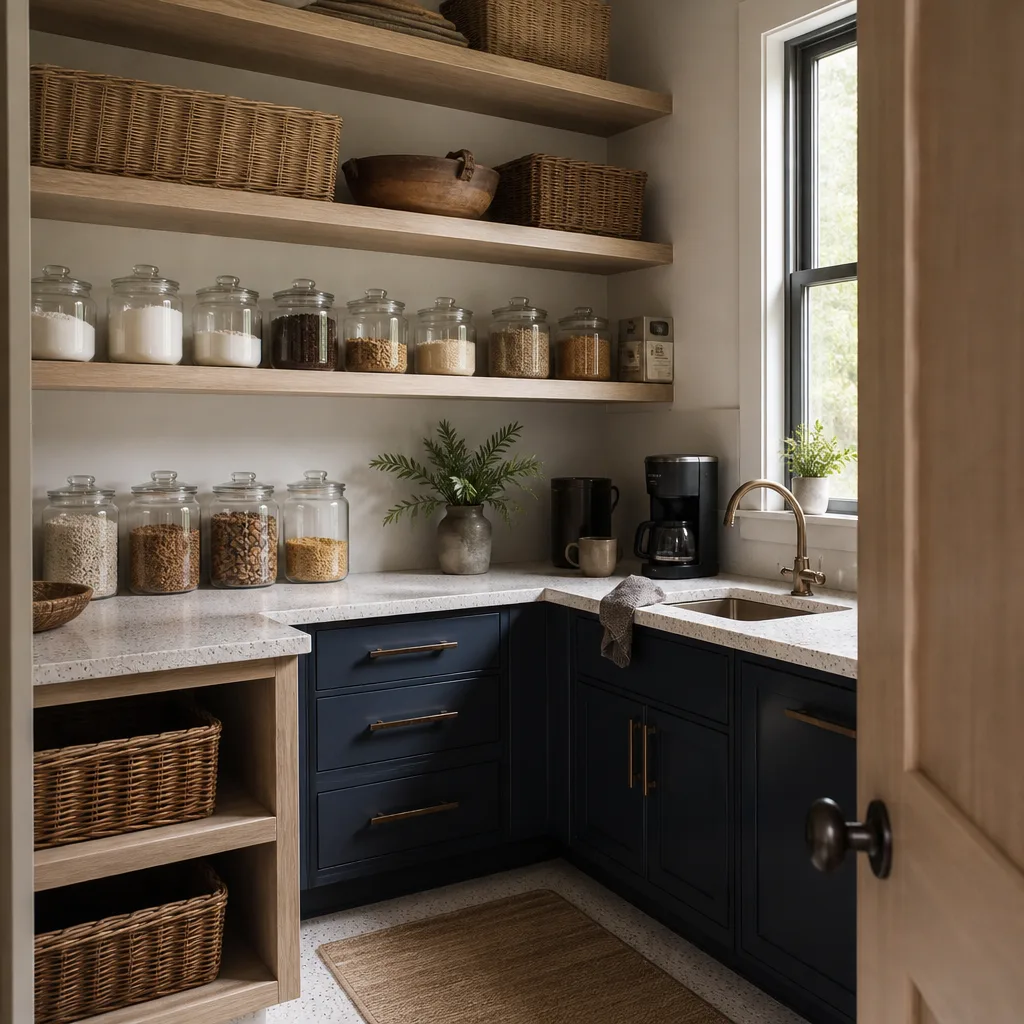
Bufftech cabinetry lines share a lot of internal hardware across series, but the door profiles and finish codes vary enough that matching blind is a bad idea. Before you call, pull one drawer front off and look for the manufacturer stamp on the back or on the drawer box side. You’re looking for a series code or a finish name; that’s the quickest way for us to confirm compatibility.
The most common Bufftech compatibility gotcha we run into is hinge bore spacing. Older Bufftech doors use a 35mm cup bore, which is standard. But some of the newer lines moved to a 26mm mini-cup hinge on narrower stiles, and if you order the wrong hinge, the door hangs proud of the frame by about an eighth of an inch. It looks close enough until you close it and it catches.
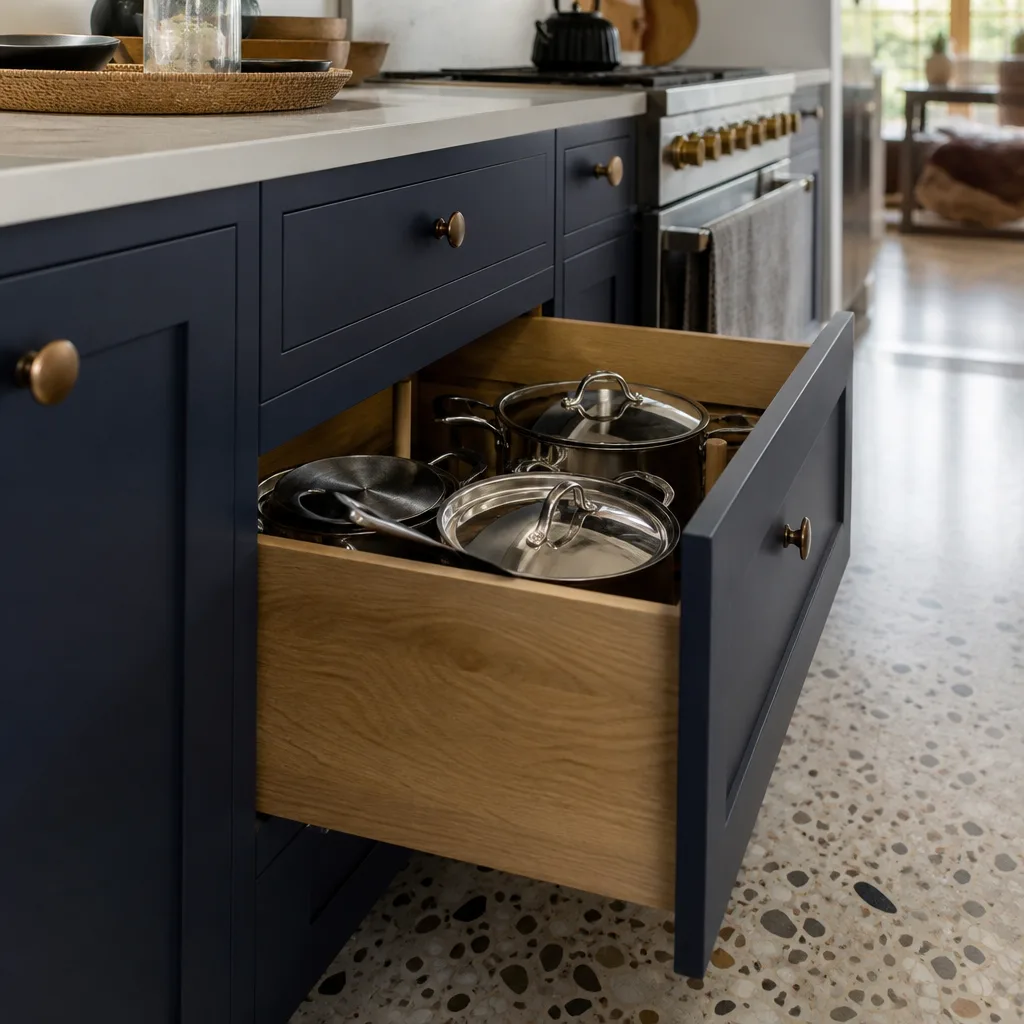
On the OEM versus aftermarket question: for Bufftech specifically, we prefer OEM drawer glides and hinges when they’re available, because the reveal gaps and soft-close timing are dialed to the original spec. Aftermarket glides work, but we’ve seen soft-close mechanisms bottom out too early on Bufftech boxes because the box depth is a quarter-inch shallower than the aftermarket glide expects. For hardware that’s discontinued, we keep quality equivalents from brands like Salice and Blum on the truck, and we’ll tell you before we install what the difference is.
Styles & brands we work with







Signs Your Bufftech Kitchen Remodeling Is Failing
- Laminate peeling at the counter edge or cabinet door edge. This is moisture working its way between the laminate and the particleboard core. In San Antonio, it’s rarely a flood; it’s humidity doing slow, steady work. Once peeling starts, it travels fast.
- Hinge screws stripped or the door sagging at one corner. The screws are pulling out of the particleboard bore. Tightening them again usually wallows the hole out further. The fix is a larger-diameter insert or a new door, not a longer screw.
- Drawer front separating from the drawer box. Bufftech uses a mechanical fastener plus adhesive on most drawer fronts. When the adhesive fails, the mechanical fastener takes all the stress and eventually loosens. You’ll feel the drawer rack slightly when you pull it.
- Soft-close no longer closing soft. The piston inside the glide or hinge has lost its gas charge. It’s a sealed unit, so there’s no refilling it. The part fails gradually: first it stops being soft, then it starts slamming, then the door bounces.
- Swollen particleboard under the sink or around the dishwasher opening. This is the one that turns a $200 part match into a $2,000 cabinet rebuild if it’s left alone. The swelling itself is the symptom; the cause is a slow leak that’s been feeding moisture into the box for months.
See the difference
 Before
 After
After Before
 After
After Before
 After
AfterReplacement Cost & What’s Included
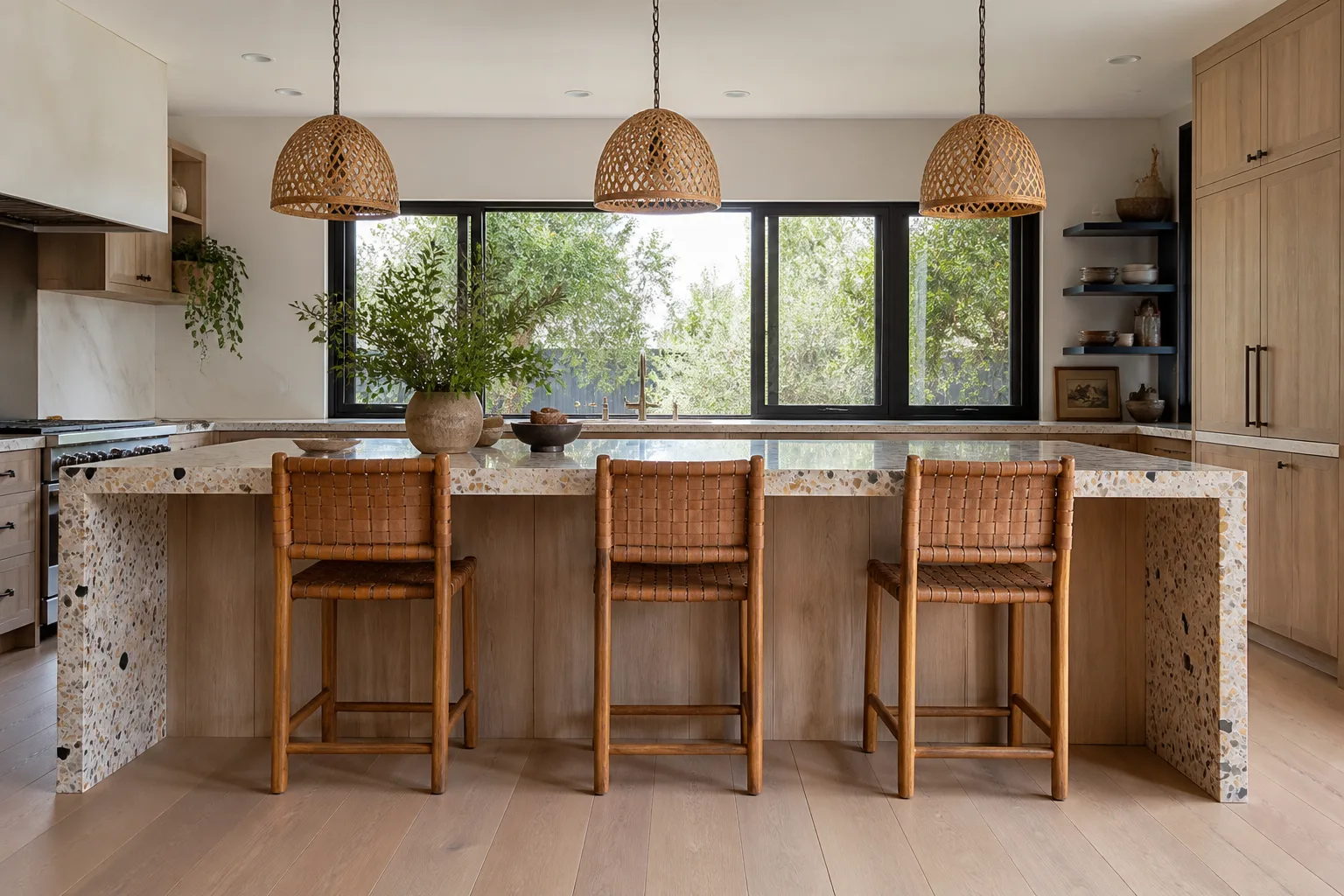
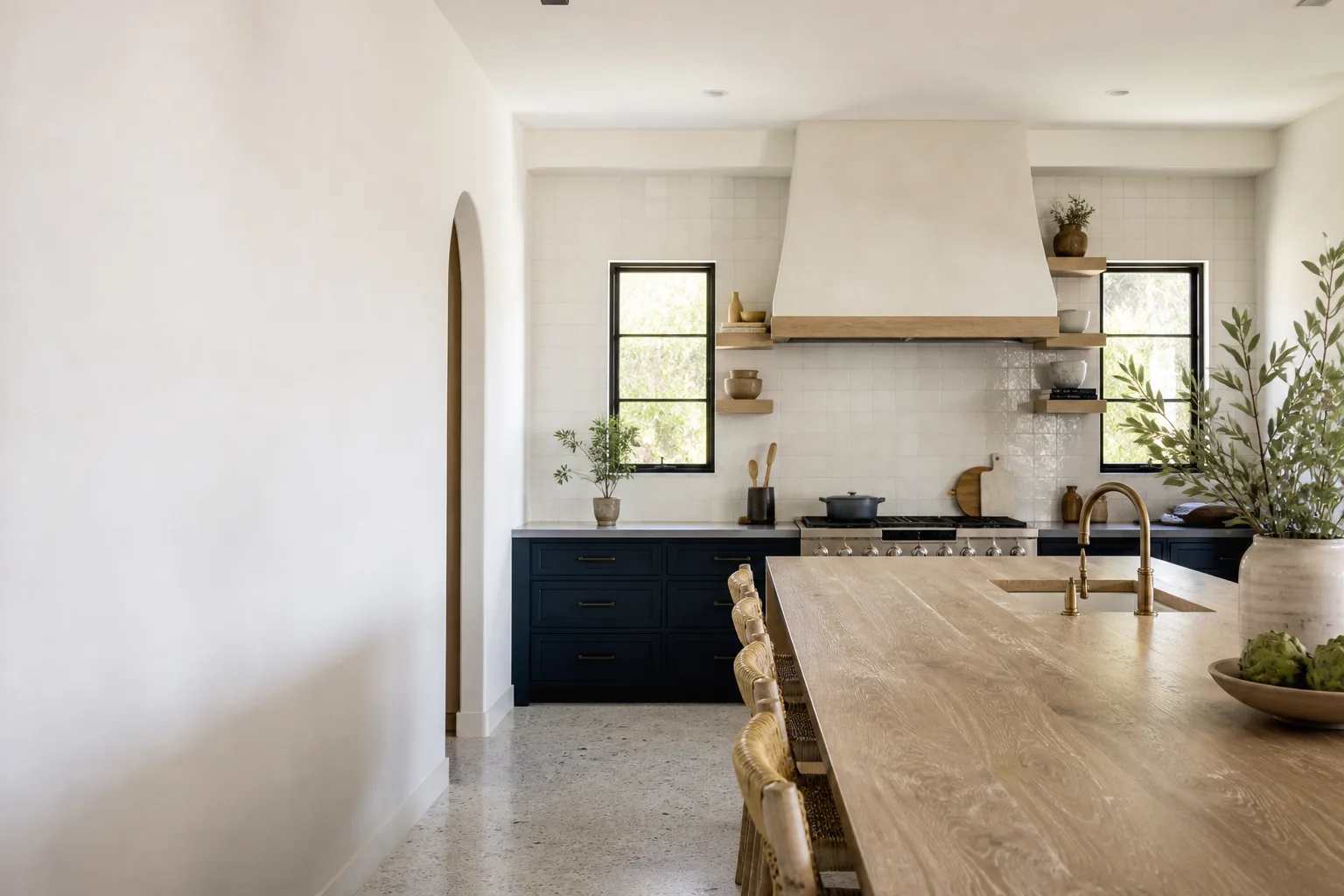
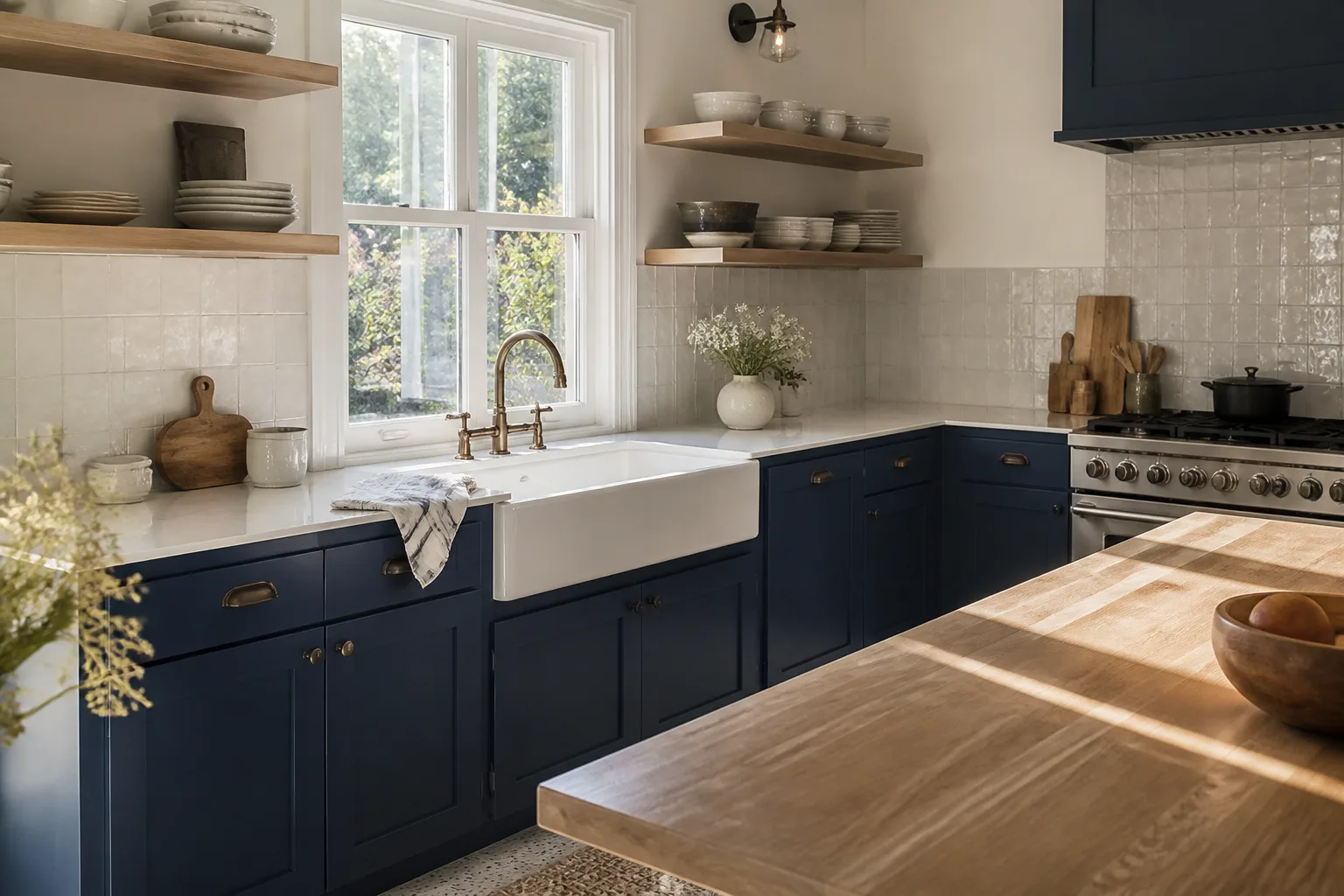
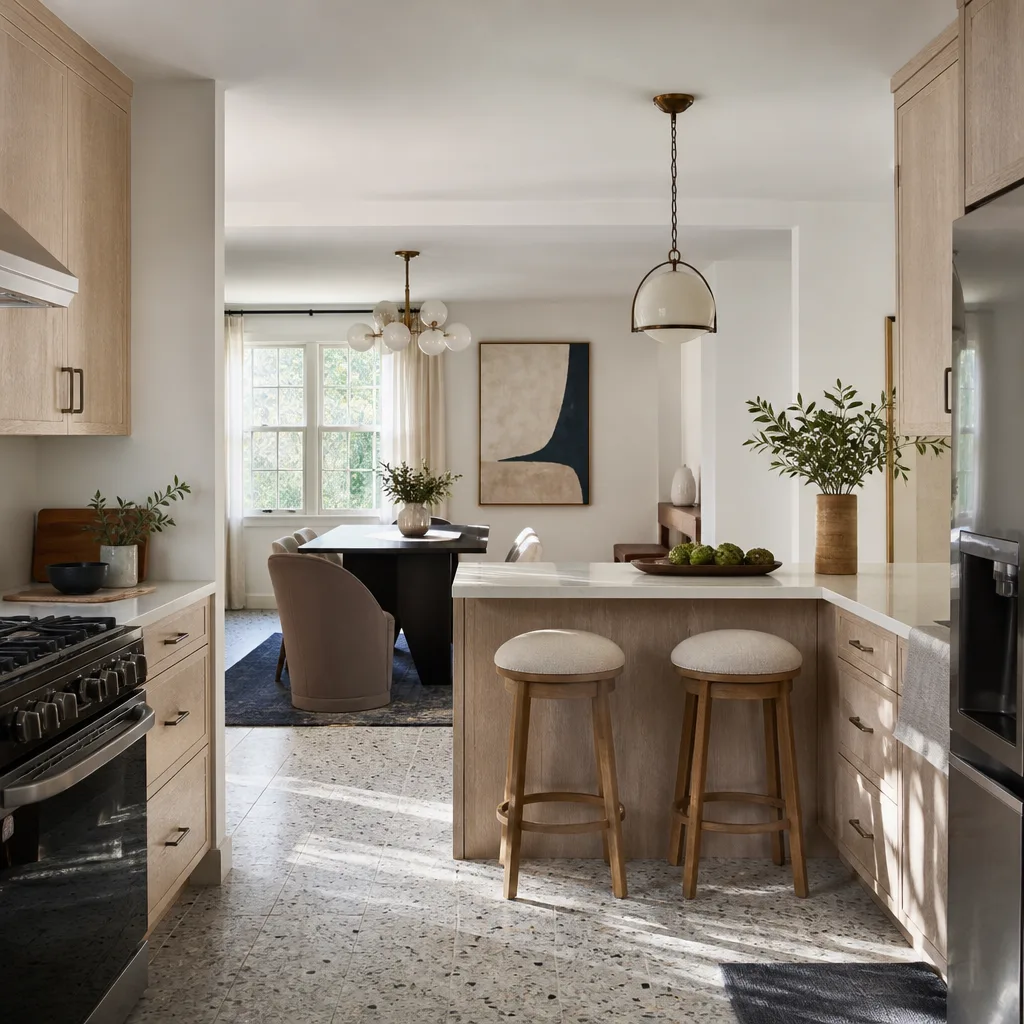
A full Bufftech-compatible kitchen remodel in San Antonio runs $14,000 to $45,000. A smaller kitchen refresh, where we’re replacing cabinet doors, drawer fronts, and hardware, falls between $9,000 and $20,000. Countertop installation alone is $2,000 to $6,500. Backsplash work is $800 to $2,500.
- Cabinet installation: $4,000 – $13,000
- Countertop installation: $2,000 – $6,500
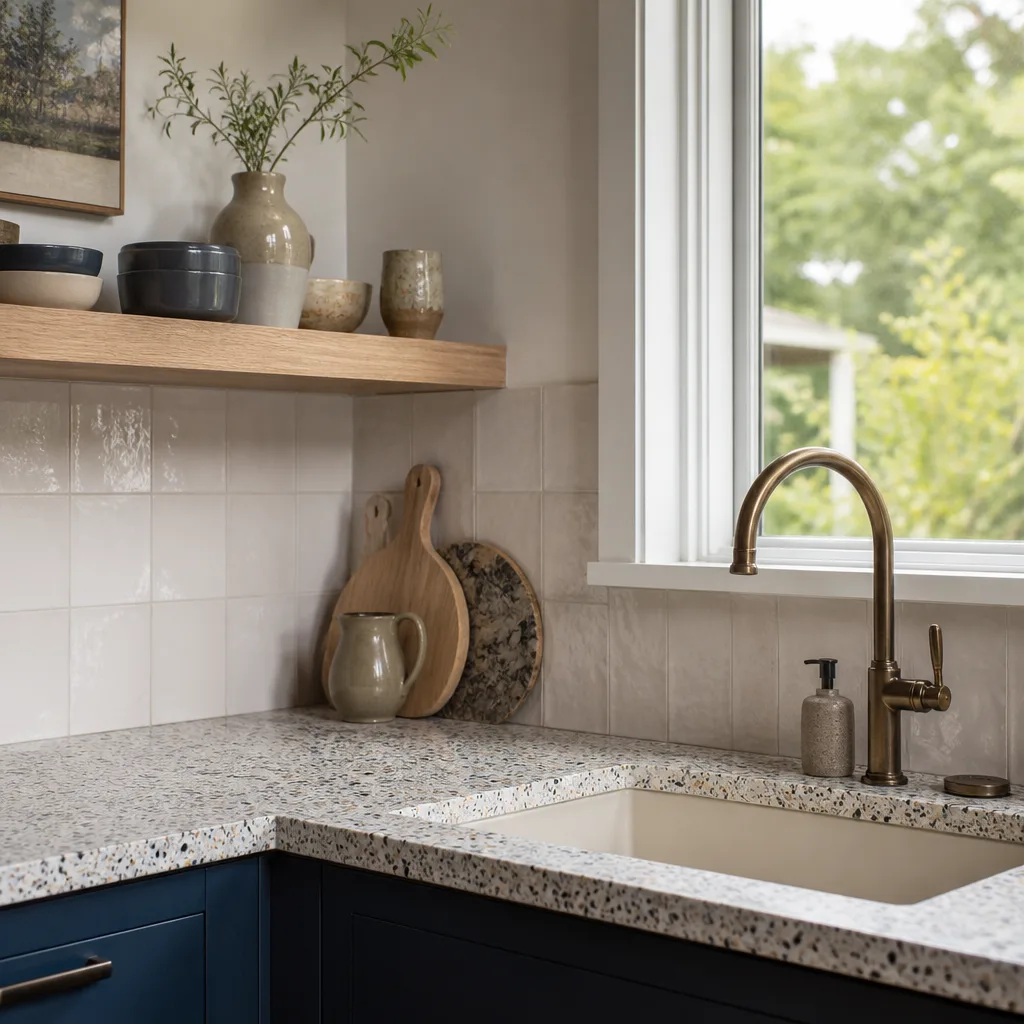
- Backsplash installation: $800 – $2,500
- Kitchen island installation: $3,000 – $10,000
- Small kitchen remodel: $9,000 – $20,000
- Full kitchen remodel: $14,000 – $45,000
What drives the range is scope, not mystery. Door and drawer front replacement costs less than full cabinet box replacement. Laminate counters cost less than Cambria or Silestone. A straight-run backsplash costs less than one with field cuts around windows and outlets. We write the price before work starts, and that written price includes parts, labor, and the disposal of whatever we pull out. There’s no verbal estimate that grows on the final bill.
Every Bufftech-compatible job we do is covered by our 365-Day Done Right Promise. If something isn’t right within a year of completion, we make it right at no cost to you. That’s the whole promise, stated plainly: 365 days from the completion date.
DIY or Call Us?
You can safely pop a drawer front off and read the stamp on the back. You can measure a door width and height. You can check whether your hinges have soft-close pistons or not. What you should not do is attempt to re-glue delaminating laminate with construction adhesive and a clamp, because without the right pressure distribution, you’ll end up with a wavy edge that looks worse than the peel.
Hinge and glide replacement looks simple, and sometimes it is. But when the bore hole is stripped or the box is off-square, the job turns into angled drilling and insert work that’s easy to get wrong. If you get it wrong, the door never sits right. We’ve fixed enough DIY hinge jobs across San Antonio to know the pattern: the homeowner spent a Saturday, the door still rubs, and the eventual call to us costs more than it would have on day one. If you want to check part numbers yourself, we’ll help you over the phone. If you want it installed right, call (254) 269-5071.
FAQs
Bufftech cabinets in San Antonio typically last 12 to 18 years before door hardware or laminate faces start showing real failure. The humidity here shortens the lifespan compared to drier climates, mostly by swelling particleboard cores and stressing adhesive bonds. Cabinet boxes in dry, well-ventilated kitchens outlast boxes under sinks or near dishwashers by several years.
Hinges and glides are replaceable parts, and that’s the easiest fix. A delaminated door face or a swollen particleboard core cannot be reliably repaired, and we’ll tell you that plainly before you spend money on a patch job. Call (254) 269-5071 and describe what you’re seeing; we’ll tell you over the phone whether it sounds like a part swap or a door replacement.
A hinge, glide, or drawer front swap typically takes one visit, usually under two hours, assuming we’ve matched the part before we arrive. Full door and drawer front replacement across a kitchen takes one to two days. A full kitchen remodel runs two to six weeks depending on countertop fabrication lead times.
We stock common hinge sizes, soft-close glides, drawer front fasteners, edge banding, and laminate repair materials on our trucks in San Antonio. If your part is unusual, we source it before the visit and bring it with us; we don’t make a trip just to look. We also keep parts for KraftMaid, Cambria, and Silestone jobs, because half the kitchens we see are mixed-brand.
Written by Isaac Pruett, Owner, Mason Remodeling Co San Antonio at Mason Remodeling Co San Antonio, serving San Antonio and nearby areas.


