
Free written scope consultation - allowances, timeline, and change-order rules on paper before a single trade is scheduled
ActiveYards Home Additions & ADU: The San Antonio Owner’s Guide
An ActiveYards Home Addition or ADU project in San Antonio typically runs $45,000 to $130,000 installed, depending on square footage, foundation work, and utility connections. We handle the full build: permits, slab or pier-and-beam foundation, framing, roofing, electrical, plumbing, HVAC, and finish-out. Most San Antonio homeowners discover they’ve outgrown their current floor plan about two years before they call us, usually after a second child arrives or an aging parent moves in.
ActiveYards builds modular and manufactured structures designed for fast on-site assembly. The components arrive pre-engineered, but the site work in San Antonio is where the real cost lives: tree removal, grading for drainage, concrete pads, and tying into the existing home’s systems. Isaac Pruett has walked enough of these jobs to know the difference between a clean attachment and a compromised roofline before the first panel gets set.
Which ActiveYards Models This Applies To
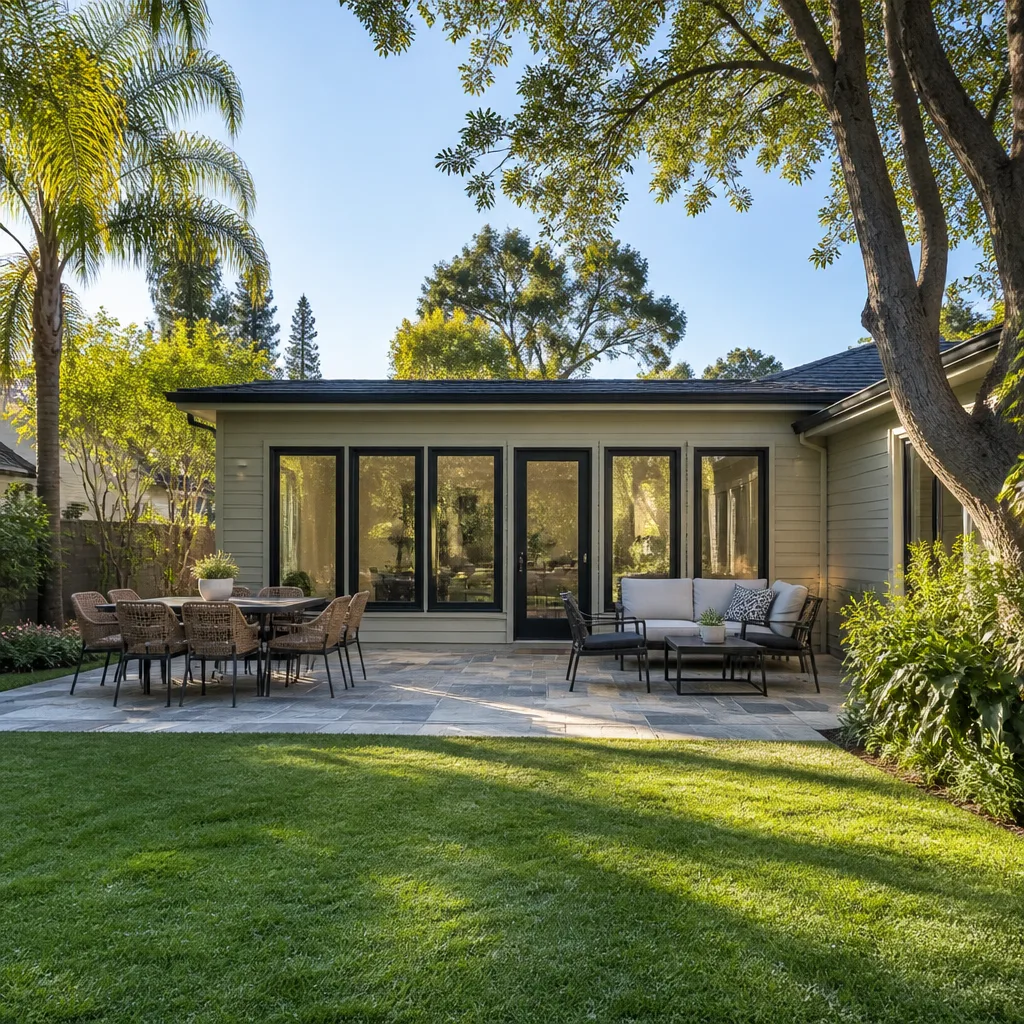
ActiveYards produces several lines that work for home additions and accessory dwelling units in San Antonio. The most common we see are the ActiveYards Signature Series (modular room additions that attach to an existing exterior wall) and their detached ADU kits built on a steel chassis. Each unit has a stamped identification plate, usually inside the electrical panel door or on the main beam under the floor deck. You’ll need that plate number when we order replacement or matching components.
Here’s the compatibility gotcha most San Antonio owners don’t know: ActiveYards changed their wall panel connector system around 2019. Pre-2019 units use a compression-lock channel system. Post-2019 units use a cam-lock receiver system. They are not interchangeable. If you’re adding onto an existing ActiveYards structure, we have to match the connector generation, not just the model name. Siding profiles also differ: the Signature Series uses a 4.5-inch reveal lap, while the ADU line uses a 6-inch reverse board-and-batten. Mixing profiles looks wrong and leaks in San Antonio’s summer downpours.
On the OEM-versus-aftermarket question: for structural components like wall panels, floor cassettes, and roof trusses, we use ActiveYards OEM parts because the engineering is load-tested as a system. For finish materials like siding trim, interior doors, and baseboard, quality aftermarket equivalents from our active brand partners (KraftMaid, Cambria, Silestone) often give you better options without voiding anything. Mason Remodeling Co San Antonio is an independent service provider, not affiliated with ActiveYards. We tell you straight which parts need OEM and which ones don’t.
Styles & brands we work with







Signs Your ActiveYards Home Additions & ADU Is Failing
- Doors that stick or won’t latch. San Antonio’s clay soil shifts seasonally. When it does, an ActiveYards unit on an undersized pad will rack slightly, and the first symptom is always door alignment. If two or more doors bind at once, the foundation under the unit needs attention, not the hinges.
- Gaps opening at the marriage line. Where the ActiveYards addition meets the existing home, or where two modules join, a seam can open up. In San Antonio, this usually shows up after a dry summer followed by heavy fall rains. The fix is often re-leveling, not just caulk.
- Visible sag in the roofline or ceiling. San Antonio’s hailstorms and wet-snow events put real weight on low-slope ActiveYards roofs. A sag of more than 1/2 inch across any 10-foot span means the roof load path is compromised. That’s a structural issue, not a cosmetic one.
- Water stains on ceilings or at wall-floor corners. ActiveYards units have specific flashing details where walls meet the floor deck. When those are installed wrong or degrade in the Texas sun, water gets in. By the time you see a stain, the leak has usually been active for weeks.
- Floors that feel spongy underfoot. This is a floor-deck delamination. San Antonio’s humidity and temperature swings accelerate it. If the floor flexes more than 1/4 inch when you step, the subfloor sheathing has lost its bond to the joists.
See the difference
 Before
 After
After Before
 After
After Before
 After
AfterReplacement Cost & What’s Included
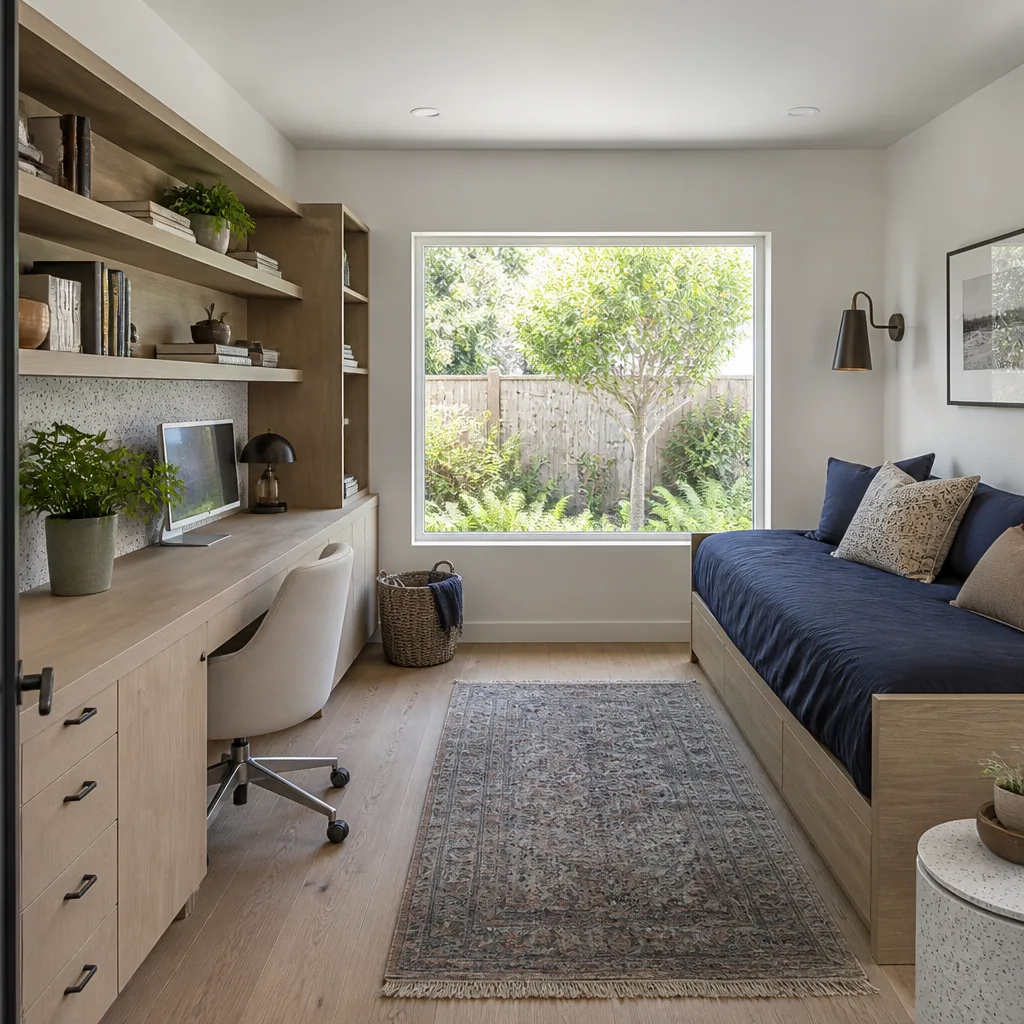
Home additions and ADUs in San Antonio fall into these installed ranges:
- Home Addition (attached room or suite): $45,000 – $130,000
- ADU Construction (detached, with kitchenette and bath): $90,000 – $220,000
- Garage Conversion (existing garage into living space): $30,000 – $80,000
The spread is driven by square footage, site prep, utility distance, and whether the existing ActiveYards unit needs structural correction before we add to it. A simple 300-square-foot bedroom addition on a clean slab in a flat San Antonio lot lands at the lower end. A 2-bedroom detached ADU with a full kitchen, bath, and new sewer line to the street hits the top.
Every project gets a written price before any work starts. That price includes permits, materials, labor, and our 365-Day Done Right Promise: if the work isn’t right within a year of completion, we make it right at no cost to you. No change orders on the invoice unless you ask for a change. No verbal estimates that grow. That’s the whole deal.
DIY or Call Us?
What you can safely check yourself: locate the ActiveYards ID plate, measure visible gaps at door frames with a tape measure, and look for water stains after a San Antonio rain. That information helps us quote accurately before we walk the property.
What you should not attempt: re-leveling a unit, lifting floor cassettes, cutting into exterior wall panels, or “fixing” a sagging roof. These are weight-bearing structural systems. A floor cassette can weigh 600 pounds. A roof panel under tension can shift suddenly. Isaac Pruett has seen homeowners on ladders trying to jack up a corner of an ActiveYards unit with a car jack. That’s how people get hurt. If the floor feels soft or the roofline sags, call us at (254) 269-5071. We’ll send someone who knows what to look for, and you’ll know their name and see their photo before they arrive.
FAQs
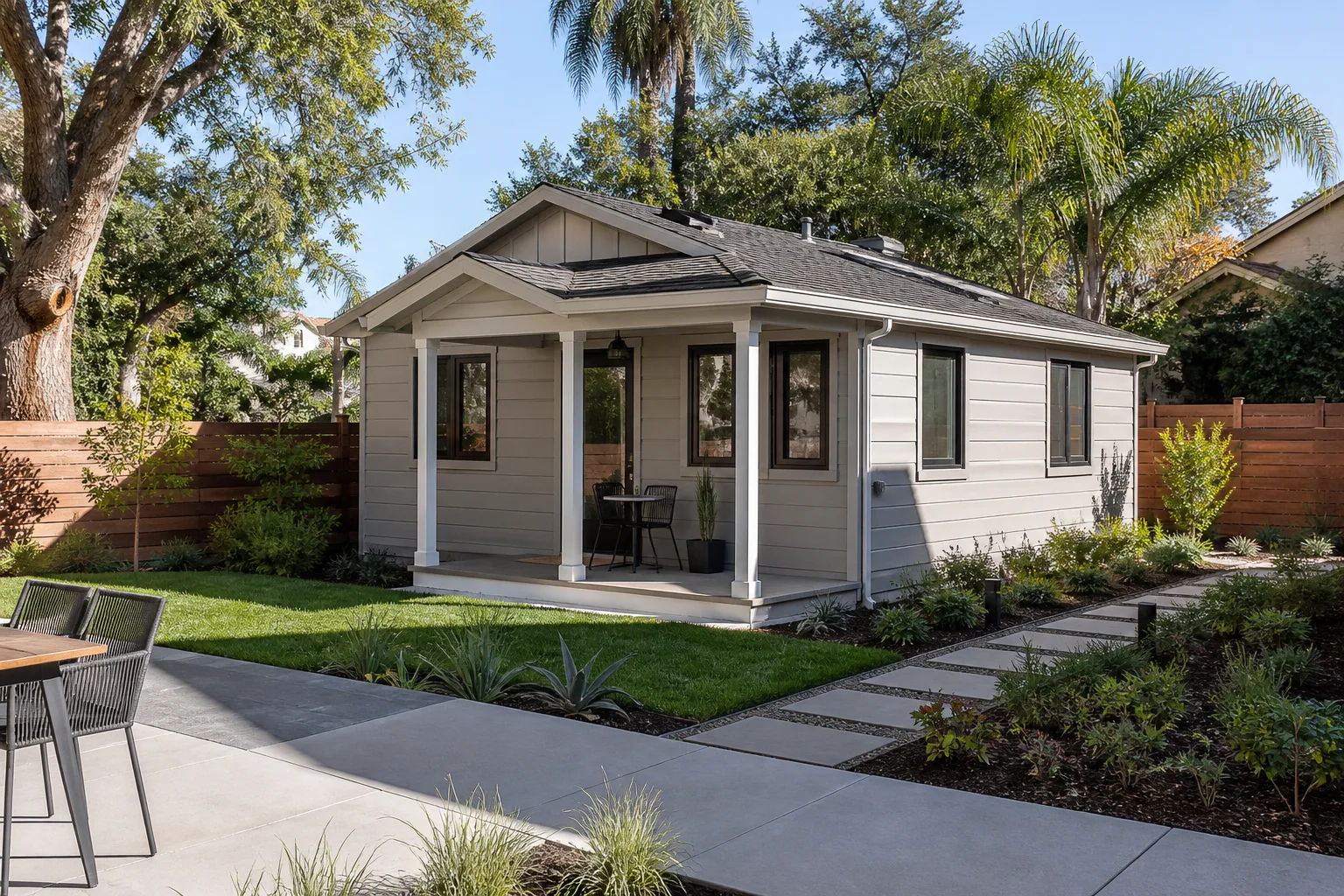
An ActiveYards structure installed correctly on a proper foundation in San Antonio lasts 40 to 60 years, with the roof membrane needing replacement every 15 to 20 years due to UV and hail exposure. The part of the build that fails first here is usually the foundation connection, not the ActiveYards components themselves. San Antonio’s clay soil is the variable. Call (254) 269-5071 if you want us to evaluate your existing pad before adding square footage.
Yes, in most cases. Re-leveling, seam resealing, roof membrane replacement, and floor deck repair are all fixable for $3,000 to $15,000 depending on extent. A full rebuild is only necessary when water damage has reached the framing or the unit was set incorrectly from day one. We’ll tell you which one you’re looking at before you spend a dollar.
A standard room addition takes 10 to 16 weeks from permit to final inspection. A detached ADU takes 16 to 26 weeks. San Antonio’s permit office and utility connection scheduling drive most of the variation, and we include that timeline in your written estimate. You’ll know the schedule before we start.
We keep common ActiveYards-compatible components on the truck: seam flashing, door thresholds, panel-to-panel connectors, and trim profiles. Structural panels, floor cassettes, and roof trusses are ordered from ActiveYards after we confirm the ID plate on your unit. OEM parts for the ActiveYards connector system have a 2 to 3 week lead time in San Antonio.
Written by Isaac Pruett, Owner, Mason Remodeling Co San Antonio, serving San Antonio and nearby areas.


