
Free written scope consultation - allowances, timeline, and change-order rules on paper before a single trade is scheduled
Cambria Home Additions & ADU: The San Antonio Owner’s Guide
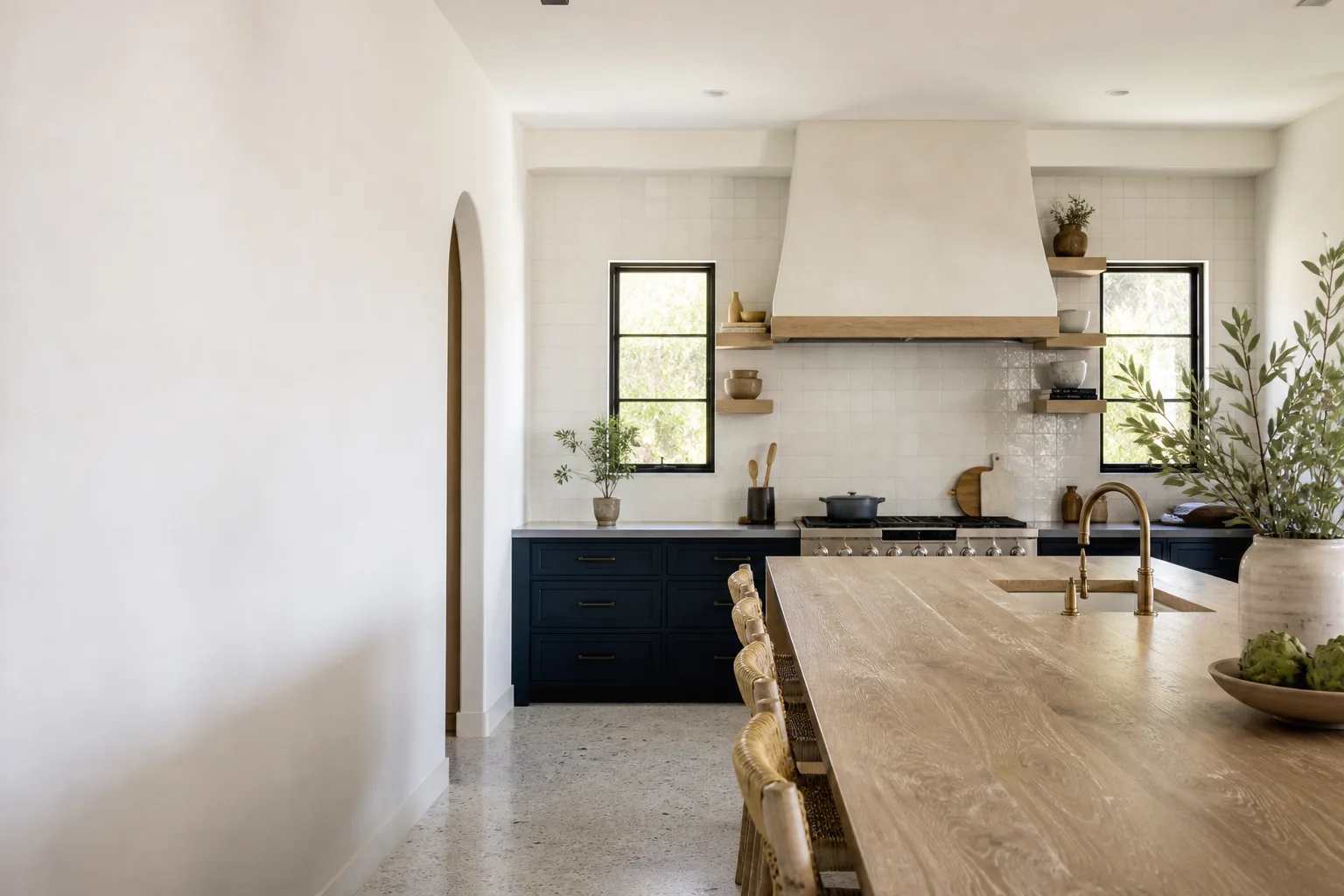
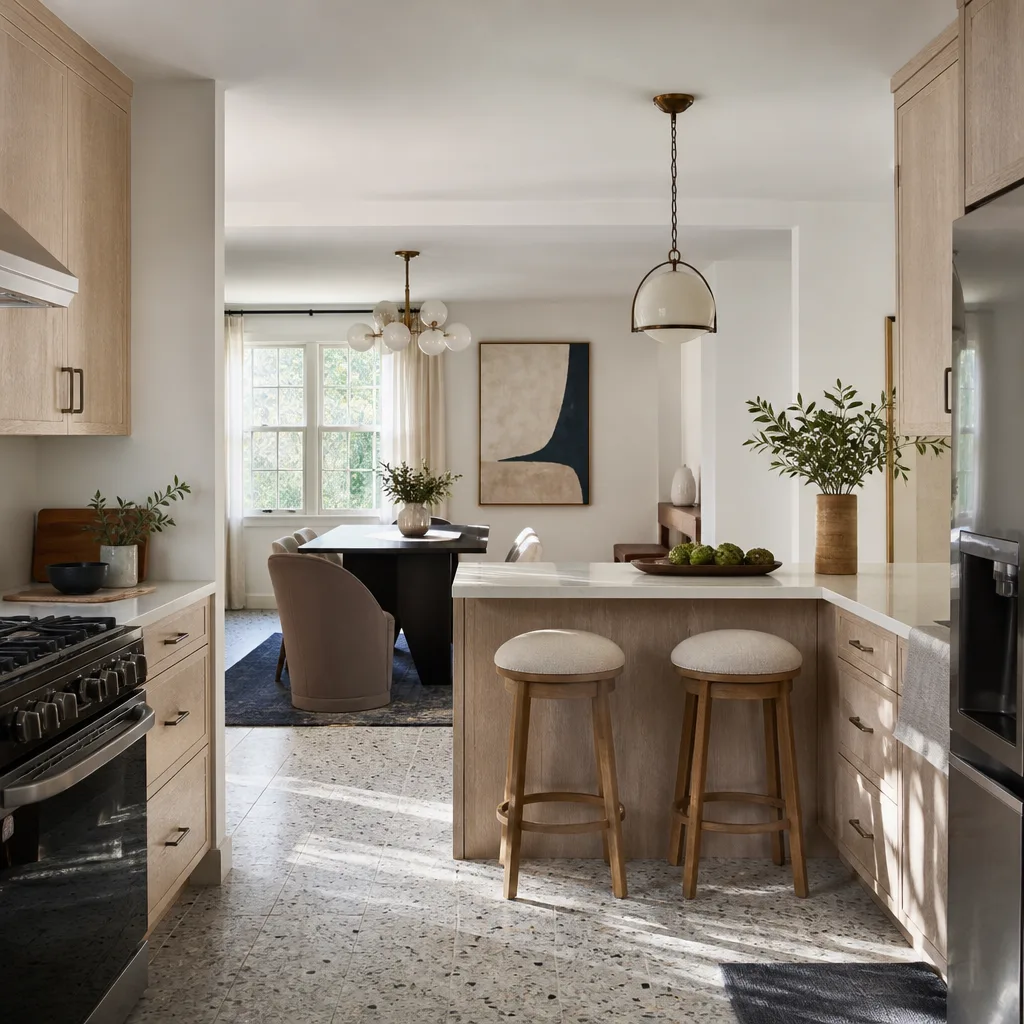
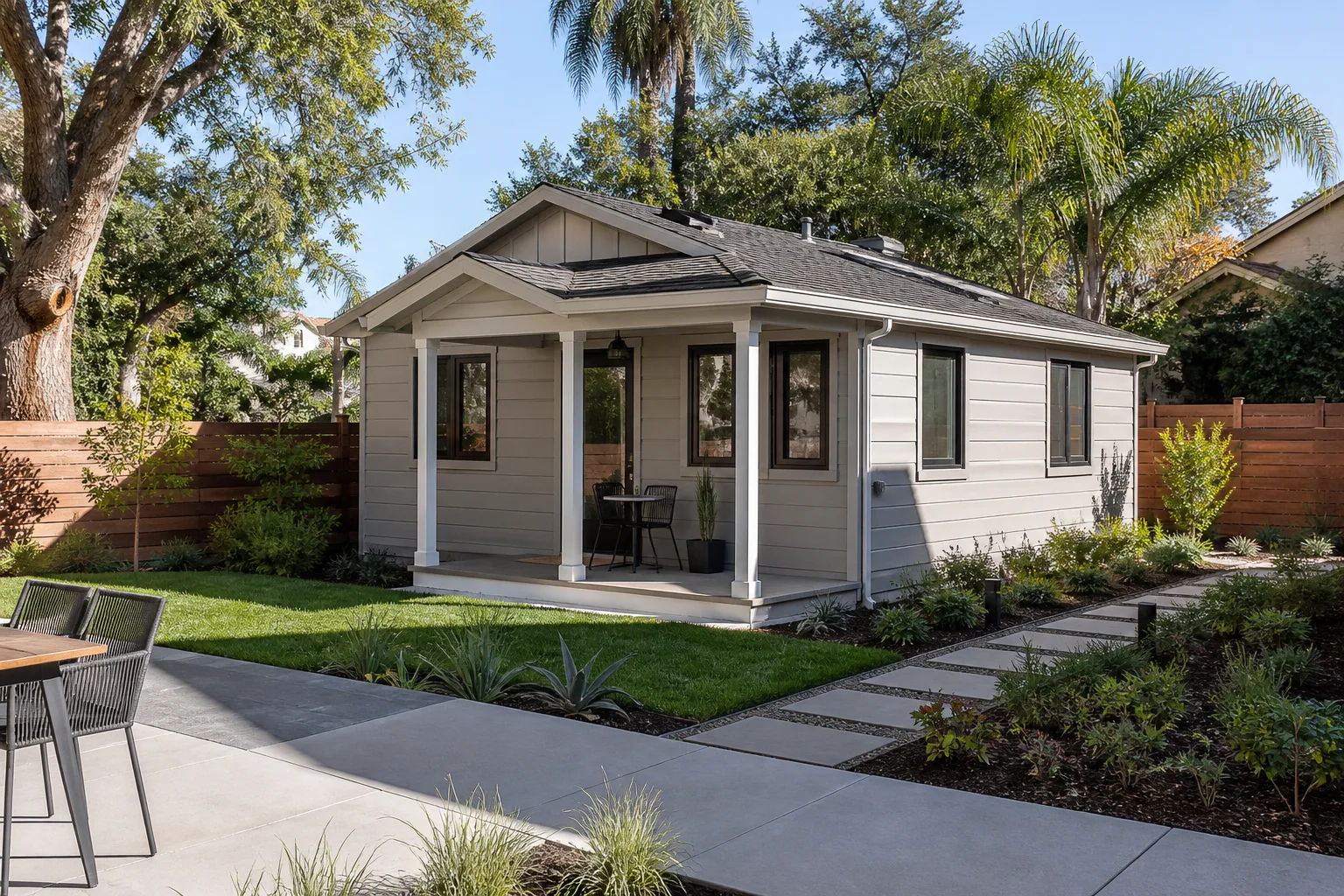
If you’re planning a home addition or ADU in San Antonio with Cambria quartz surfaces, the installed project typically runs $45,000 – $130,000 for the addition itself, with Cambria countertops and surface work adding $2,000 – $6,500 per surface area depending on slab size, edge profile, and fabrication complexity. That’s the honest range we quote before any work starts. Most homeowners reach out to us after they’ve already bought a Cambria slab or had Cambria installed in one part of the house, and now they want the new square footage to match, which is where the real planning work begins. You’re not buying a part off a shelf; you’re coordinating a Cambria-spec surface into framing, plumbing, electrical, and finish work that has to line up on day one.
We’re an independent San Antonio remodeling company, not affiliated with Cambria, but we work with their slabs and fabrication specs every week. If you have Cambria already installed and you’re adding on, the surface is rarely the problem. The problem is making sure the new space is framed, leveled, and waterproofed so the Cambria sits flat, seams tight, and the overhang is supported correctly. That’s the part we handle every day, and we put the price in writing before we touch a stud.
Which Cambria Models This Applies To
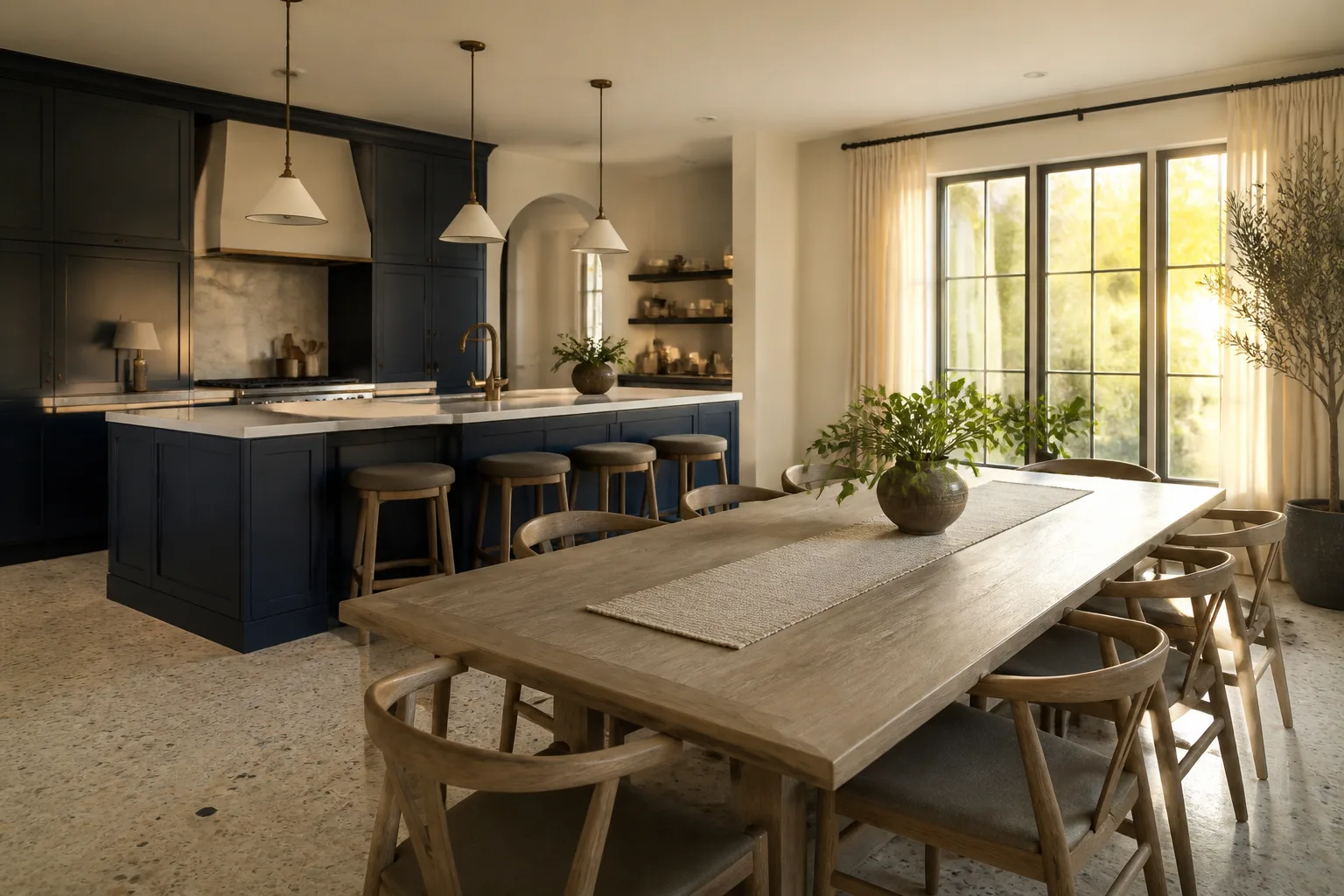
Cambria quartz runs in slab format, not modular parts, so the “model” question is really about which design series you have and how the fabrication was done. Cambria organizes its lineup into collections: the Classic Series, the Marble Collection (designs like Brittanicca, Skara Brae, and Portrush), the Coastal Collection, and the Designer Series, which includes high-contrast patterns most remodels in San Antonio favor for kitchen islands and wet bars. If you’re adding square footage, you need to know two things: the exact Cambria design name (it’s printed on the slab label and on your original invoice) and the edge profile your existing fabrication used.
The compatibility gotcha most San Antonio homeowners hit is dye-lot variation. Cambria quartz is engineered, so variation is far tighter than natural stone, but two slabs from different production runs can still shift slightly in veining intensity, especially on the more figured Marble Collection designs. If you have a remnant from your original slab, we can often match it. If you don’t, we’ll order a new slab from the current lot and match seams deliberately, placing the new material where natural light differences in your addition make any subtle shift invisible. We also stock and specify Cambria-compatible support hardware, undermount sink brackets, and seam adhesive rated for quartz’s thermal expansion. When an aftermarket adhesive or bracket is used on Cambria, the result is usually a seam that cracks or a sink that sags within two years. We don’t use those.
Styles & brands we work with







Signs Your Cambria Home Additions & ADU Is Failing
- Seam separation at the old-to-new junction. The original Cambria was installed against a wall that’s now a doorway or pass-through. If the new framing wasn’t tied in correctly or the slab was cut before the addition settled, the seam opens a hairline gap. We fix this by re-shimming and re-seaming with Cambria-spec adhesive, not caulk.
- Countertop overhang bounce. In San Antonio, we frame a lot of islands with large overhangs for bar seating. If the new overhang wasn’t supported with steel brackets or corbels rated for quartz, you’ll feel flex when someone leans on it. Cambria doesn’t flex; it cracks. We check support spacing before and after every install.
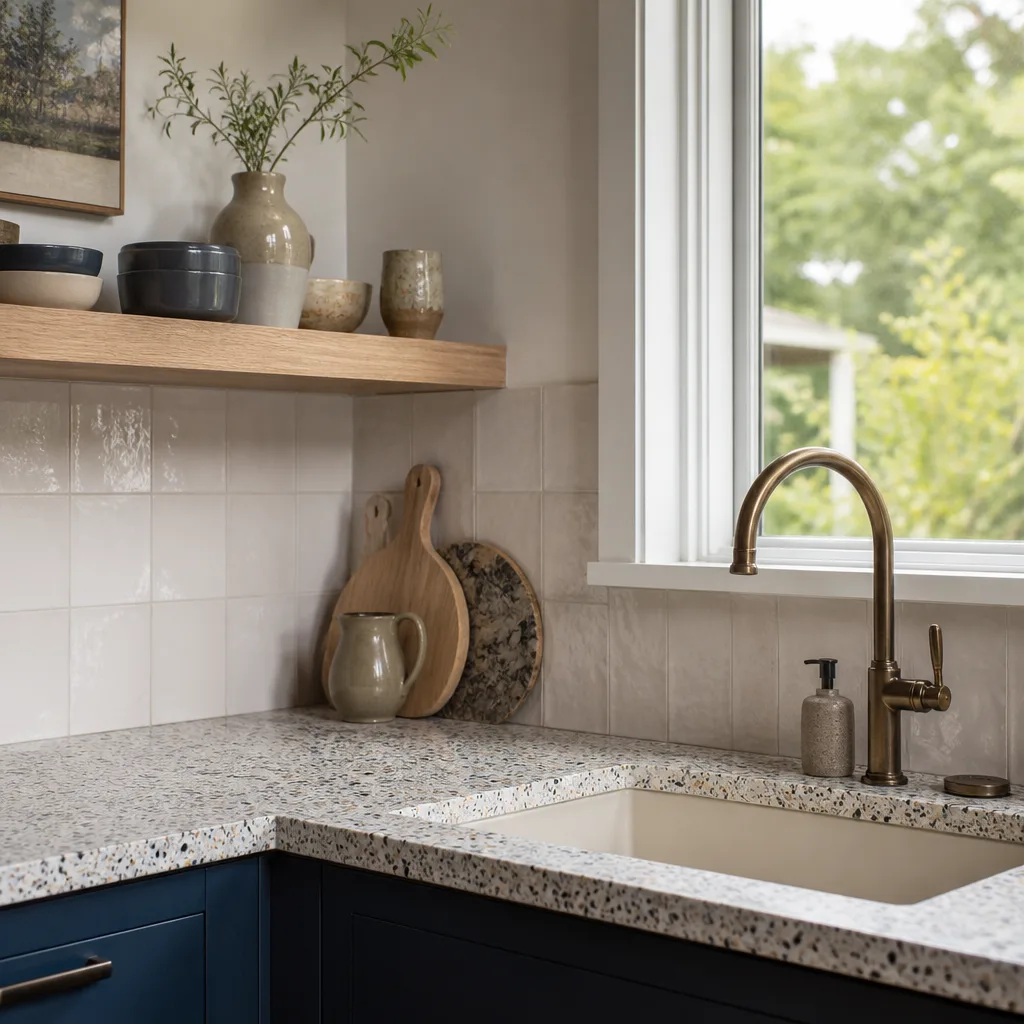
- Water staining at the backsplash or sink line. Cambria is non-porous, but the seam where it meets tile or drywall is not. If the new addition’s plumbing or backsplash waterproofing was rushed, moisture creeps behind the slab and discolors the seam line. This is a waterproofing failure, not a Cambria failure, and it’s very common in ADU kitchenettes.
- Visible chipping at a cut edge. Cambria fabricates cleanly, but if someone used a standard diamond blade instead of a quartz-specific blade, the cut edge will microchip within the first year. You’ll see it most at sink cutouts and around the range opening.
- Hollow-sounding thump when you knock on a counter section. That means the adhesive bed underneath has delaminated, usually from thermal cycling in an unconditioned ADU space. San Antonio summers push ambient temps above 100 degrees, and uninsulated additions make that worse. If the slab isn’t fully bedded, it echoes.
Replacement Cost & What’s Included
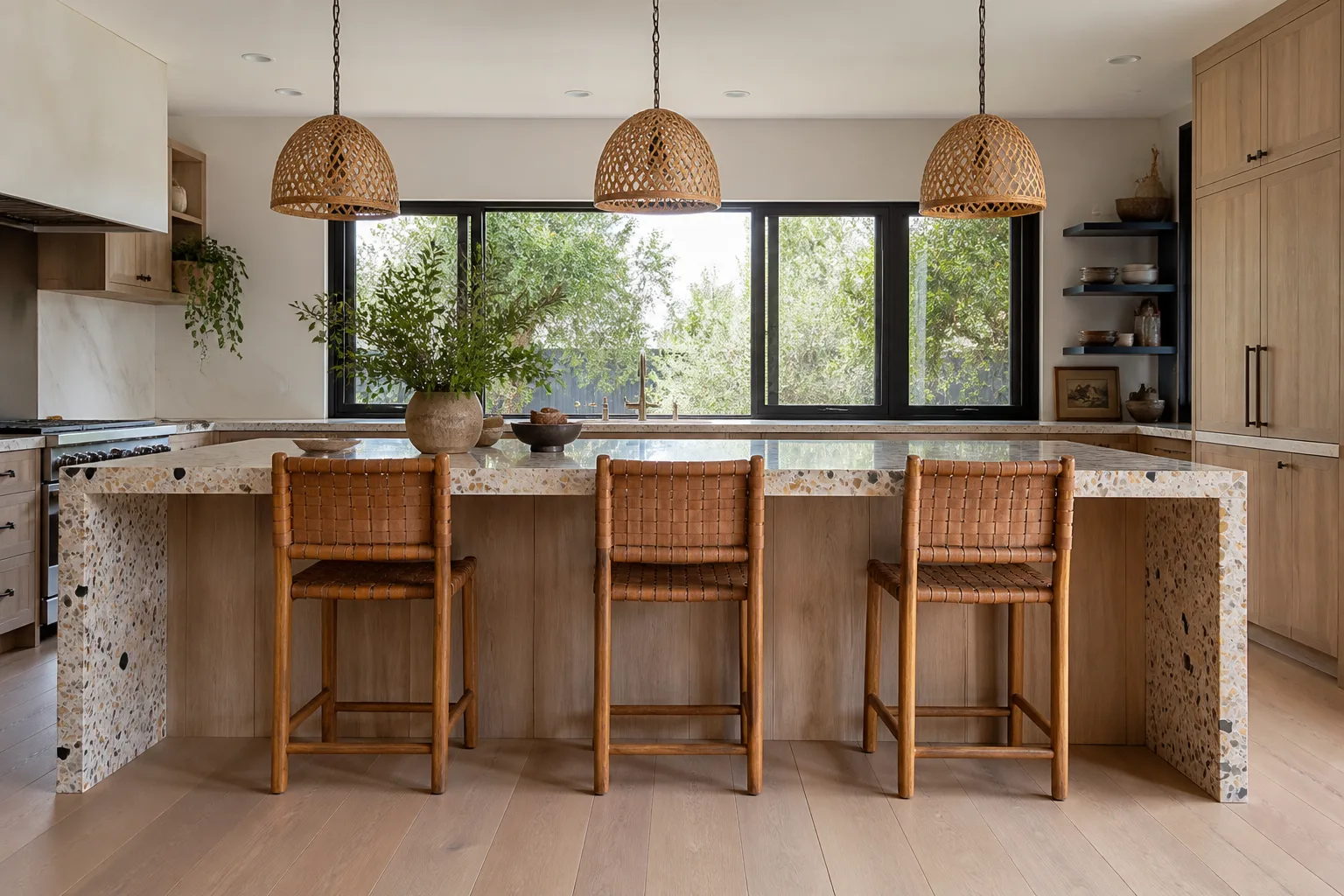
For a Cambria home addition or ADU in San Antonio, the full project range is $45,000 – $130,000, and the Cambria surface work inside that project typically lands between $2,000 and $6,500 per surface. What drives the cost on the Cambria side: slab square footage, edge profile (eased is cheapest, mitered or waterfall edges run higher), cutouts for sinks and cooktops, seam count, and whether we’re fabricating on-site or through our Cambria-aligned fabrication partner. What drives the addition cost: foundation type (pier-and-beam runs less than slab-on-grade in most San Antonio soils), roofline tie-in complexity, whether the ADU needs its own electrical subpanel, and how much existing HVAC capacity can be shared.
Every estimate includes the full breakdown: framing, rough-in, drywall, paint, flooring, trim, and the Cambria fabrication and install as a separate line item. You’ll see parts and labor separated, so there’s no mystery about what you’re paying for. Our work is covered by the 365-Day Done Right Promise: if anything isn’t right within a year of completion, we make it right at no cost to you. The written price is delivered before work starts, on every project, every time. No change orders unless you change the scope.
See the difference
 Before
 After
After Before
 After
After Before
 After
AfterDIY or Call Us?
You can measure your existing Cambria yourself. Grab a tape measure, check the slab thickness (Cambria runs 2 cm or 3 cm), measure your island and perimeter runs, and note your edge profile. That gives us a useful starting point before we even visit. What you shouldn’t do is attempt to seam, shim, or re-bed quartz yourself. Cambria is 93% quartz, which makes it heavy; a 3 cm slab section can weigh 20 pounds per square foot. A misjudged lift tears rotator cuffs, and a dropped slab edge destroys the piece and the floor beneath it. The seam adhesive also requires controlled clamping pressure and a clean, dust-free joint; get it wrong and the seam fails in six months. This is one part of the job where the installer’s hands matter more than the material.
If you have a Cambria addition plan or a surface that’s failing in a San Antonio home, call (254) 269-5071. We’ll send someone to look, give you a written number, and tell you exactly what’s wrong before you commit to anything.
FAQs
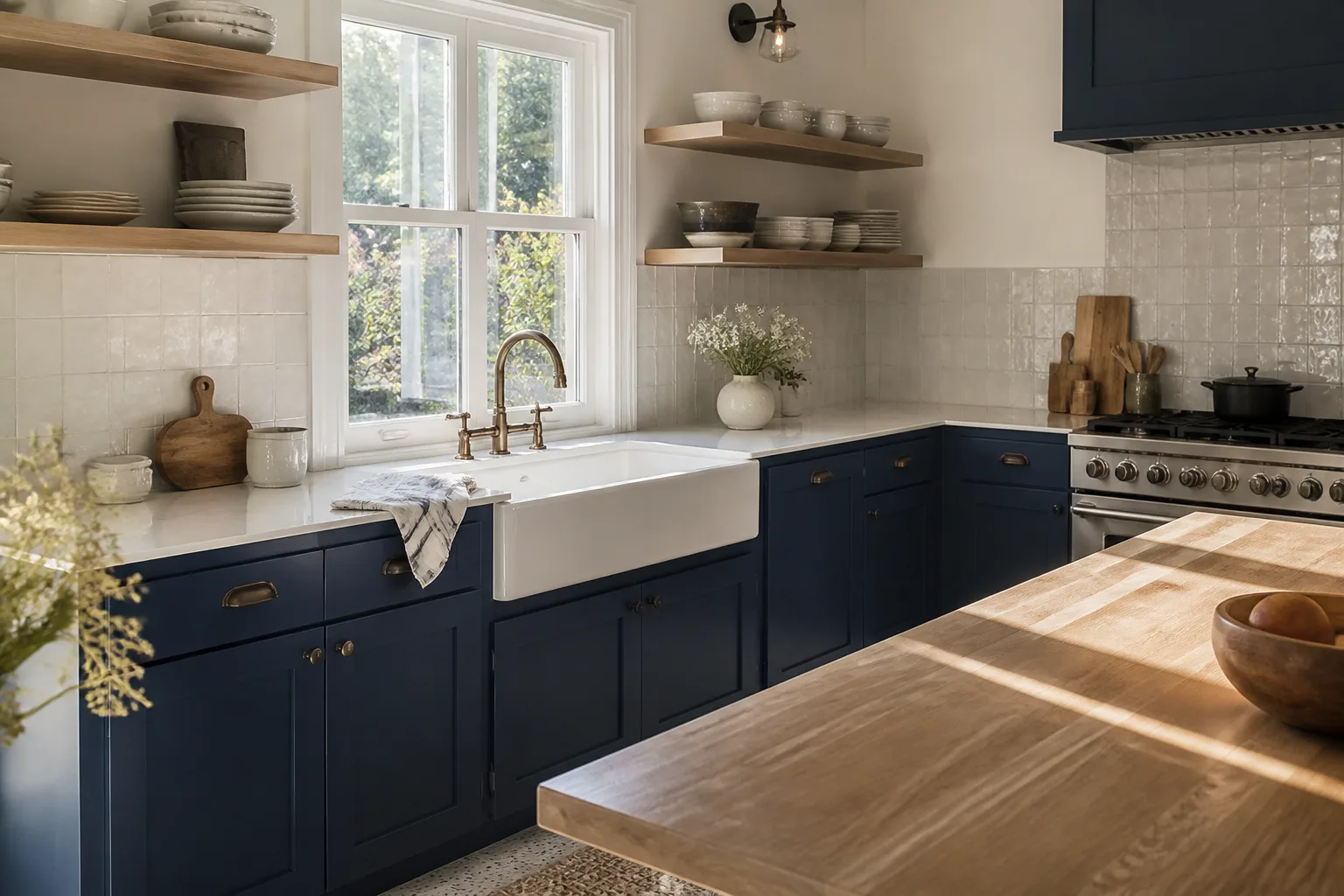
Cambria quartz will outlast the house if it’s installed correctly; the material itself doesn’t fail, but the seams and supports around it do. In San Antonio’s heat and humidity swings, expect 15 – 25 years before you even think about re-seaming, and longer if the addition is insulated and conditioned. The failure points are always the adhesive bed and the support bracketing, not the slab. Call (254) 269-5071 if you want us to inspect an existing install before you build around it.
Yes, in most cases a single seam, a delaminated section, or a chip at a cut edge can be repaired without replacing the whole surface. We re-seam with Cambria-spec adhesive, re-bed delaminated sections with the correct quartz adhesive, and fill chips with color-matched repair compound. Full replacement only makes sense when the slab is cracked through or the homeowner wants a different design for the new addition. Estimates are free, so call (254) 269-5071 and we’ll tell you which path makes sense.
Once the framing, plumbing, and electrical rough-in are complete and the drywall is up, the Cambria template-to-install timeline is typically 7 – 14 days in San Antonio. We template on day one, fabrication runs about five to seven business days, and install day is usually a single visit that runs four to six hours for a kitchen or ADU kitchenette. The full addition project, framing to final walkthrough, typically takes 8 – 16 weeks depending on scope and city permit timing. Call (254) 269-5071 for a written timeline on your specific project.
We order Cambria slabs per job from our fabrication partner’s San Antonio yard, matched to your existing design name and version. We don’t warehouse slabs ourselves, which is actually better for you: you get a fresh slab from the current production lot, and we can match it to your original install as closely as the material allows. We also stock the consumables on the truck: Cambria-compatible seam adhesive, support brackets, sink clips, and cutting templates. That means install day doesn’t stall waiting on a bracket that costs $8.
Know Who’s Coming, Know What It Costs
Mason Remodeling Co San Antonio has been building in San Antonio since 2004, and Isaac Pruett still runs the scope of work himself before a crew ever shows up. He grew up in Los Angeles, learned construction fundamentals at Los Angeles Trade-Technical College, and spent two decades working projects across the Southwest before bringing that experience to San Antonio. Every crew member is background-checked, identity-verified, and introduced to you by name and photo before the visit. They arrive in marked uniforms and carry photo ID at the door. You’ll get a written price before any work starts, and every project carries our 365-Day Done Right Promise.
Know who’s coming, know what it costs, know it’s covered, that’s the whole job before the job starts.
If you have a Cambria addition or ADU project in San Antonio and you want the number in writing before anyone touches your house, call (254) 269-5071 today. We’ll schedule your free estimate and give you a line-item price you can actually plan around.
Written by Isaac Pruett, Owner, Mason Remodeling Co San Antonio at Mason Remodeling Co San Antonio, serving San Antonio and nearby areas.


